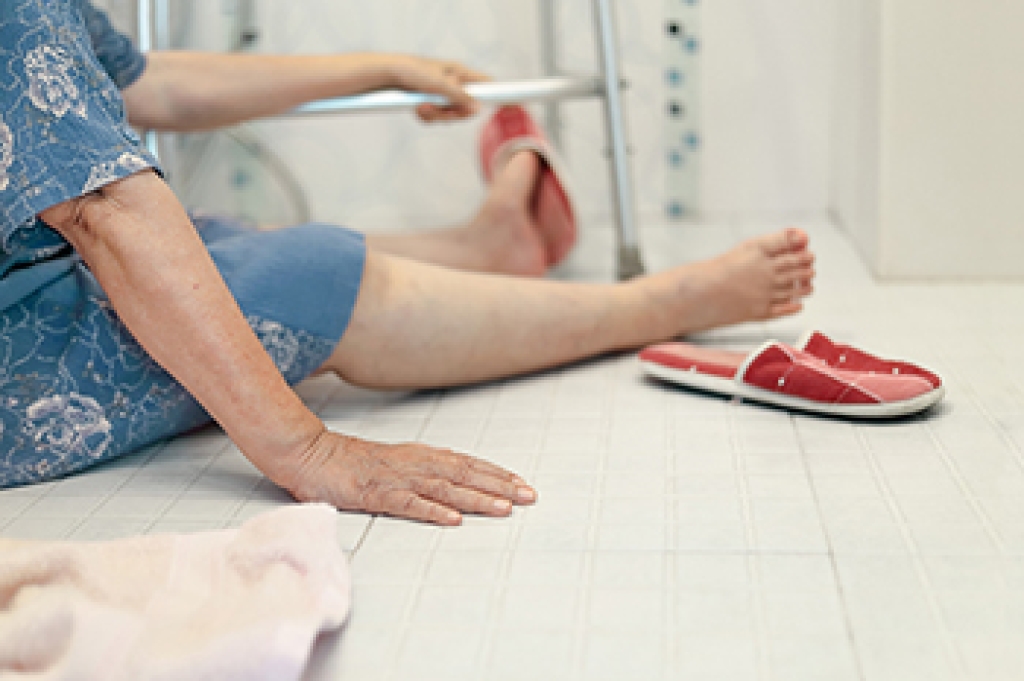
Exercises That Can Help Seniors to Prevent Falling

Falls are a significant concern for seniors, with someone aged 65 or older experiencing a fall every second. Falls are the leading cause of injury-related death in this age group. To help prevent falls, focusing on exercises that strengthen the feet and improve balance is essential. Strengthening the muscles in your feet can enhance stability and support. Simple exercises like toe curls, where you pick up small objects with your toes, can significantly improve foot strength. Another effective exercise is heel-to-toe walking, which enhances balance by promoting coordination and proprioception. Practicing ankle circles and calf raises can also improve flexibility and strength in the lower legs and feet. Incorporating balance exercises, such as standing on one leg or using a balance board, can further reduce the risk of falls by training your body to maintain stability. It is important to check with a podiatrist before undertaking a course of exercises related to falling. For guidance on methods to prevent falling, it is suggested that you schedule an appointment with a podiatrist for an exam, diagnosis, and treatment options.

Preventing falls among the elderly is very important. If you are older and have fallen or fear that you are prone to falling, consult with one of our podiatrists from Foot and Ankle Clinics, PA. Our doctors will assess your condition and provide you with quality advice and care.

Every 11 seconds, an elderly American is being treated in an emergency room for a fall related injury. Falls are the leading cause of head and hip injuries for those 65 and older. Due to decreases in strength, balance, senses, and lack of awareness, elderly persons are very susceptible to falling. Thankfully, there are a number of things older persons can do to prevent falls.

How to Prevent Falls

Some effective methods that older persons can do to prevent falls include:

  • Enrolling in strength and balance exercise program to increase balance and strength
  • Periodically having your sight and hearing checked
  • Discuss any medications you have with a doctor to see if it increases the risk of falling
  • Clearing the house of falling hazards and installing devices like grab bars and railings
  • Utilizing a walker or cane
  • Wearing shoes that provide good support and cushioning
  • Talking to family members about falling and increasing awareness

Falling can be a traumatic and embarrassing experience for elderly persons; this can make them less willing to leave the house, and less willing to talk to someone about their fears of falling. Doing such things, however, will increase the likelihood of tripping or losing one’s balance. Knowing the causes of falling and how to prevent them is the best way to mitigate the risk of serious injury.  

If you have any questions, please feel free to contact our offices located in Woodbury, West St. Paul, and Edina, MN . We offer the newest diagnostic and treatment technologies for all your foot care needs.
Read more about Falls Prevention

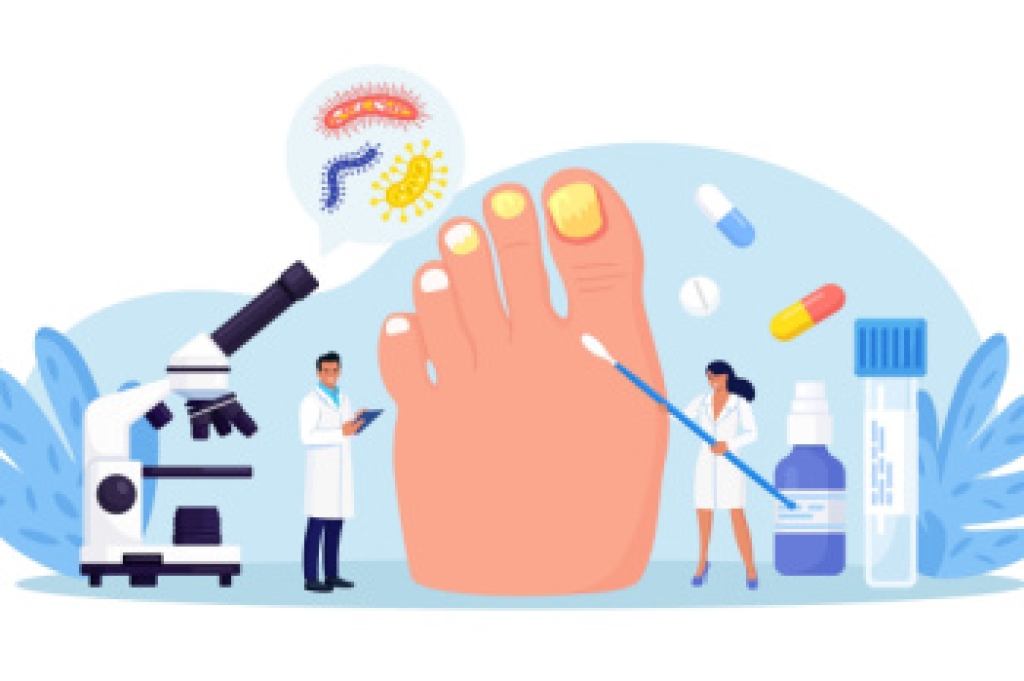
What Are the Signs of Toenail Fungus?

Toenail fungus, also known as onychomycosis, is a common condition caused by various fungi that thrive in warm, moist environments. Frequent exposure to such environments, like public swimming pools or showers, can increase the risk of infection. Additionally, wearing tight or non-breathable shoes and having minor skin or nail injuries can also make toenails more susceptible to fungal infections. Symptoms of toenail fungus can include thickened, discolored, or brittle nails that may become distorted in shape. The affected nails may also separate from the nail bed, and a foul odor can develop. In some cases, the surrounding skin may appear red and inflamed. Early detection and treatment are critical to prevent the infection from spreading and causing further complications. Maintaining good foot hygiene and wearing breathable footwear can help reduce the risk of toenail fungus. If you have developed this condition, it is suggested that you contact a podiatrist who can successfully treat it, which most likely will include prescribed medication.

If left untreated, toenail fungus may spread to other toenails, skin, or even fingernails. If you suspect you have toenail fungus it is important to seek treatment right away. For more information about treatment, contact one of our podiatrists of Foot and Ankle Clinics, PA. Our doctors can provide the care you need to keep you pain-free and on your feet.

Symptoms

  • Warped or oddly shaped nails
  • Yellowish nails
  • Loose/separated nail
  • Buildup of bits and pieces of nail fragments under the nail
  • Brittle, broken, thickened nail

Treatment

If self-care strategies and over-the-counter medications does not help your fungus, your podiatrist may give you a prescription drug instead. Even if you find relief from your toenail fungus symptoms, you may experience a repeat infection in the future.

Prevention

In order to prevent getting toenail fungus in the future, you should always make sure to wash your feet with soap and water. After washing, it is important to dry your feet thoroughly especially in between the toes. When trimming your toenails, be sure to trim straight across instead of in a rounded shape. It is crucial not to cover up discolored nails with nail polish because that will prevent your nail from being able to “breathe”.

In some cases, surgical procedure may be needed to remove the toenail fungus. Consult with your podiatrist about the best treatment options for your case of toenail fungus.  

If you have any questions please contact our offices located in Woodbury, West St. Paul, and Edina, MN . We offer the newest diagnostic and treatment technologies for all your foot and ankle needs.

Read more about How to Treat Your Toenail Fungus

What Are the Causes of Foot Blisters?

Foot blisters are a common and painful issue caused by various factors. Friction is the primary culprit, often resulting from poorly fitting shoes that rub against the skin. Excessive moisture from sweat can soften the skin, making it more prone to blistering. Prolonged activity, such as running or hiking, increases the likelihood of blisters due to continuous friction and pressure. Heat and humidity exacerbate the problem, as damp skin is more susceptible to damage. Additionally, wearing socks that do not wick away moisture or that bunch up can also contribute to blister formation. Understanding these causes helps in taking preventive measures, such as choosing well-fitted, breathable footwear and moisture-wicking socks. Foot blisters can be common, and may become infected if not cared for properly. If this applies to you, it is suggested that you contact a podiatrist who can offer effective treatment solutions for infected blisters.

Blisters are prone to making everyday activities extremely uncomfortable. If your feet are hurting, contact one of our podiatrists of Foot and Ankle Clinics, PA. Our doctors can provide the care you need to keep you pain-free and on your feet.

Foot Blisters

Foot blisters develop as a result of constantly wearing tight or ill-fitting footwear. This happens due to the constant rubbing from the shoe, which can often lead to pain.

What Are Foot Blisters?

A foot blister is a small fluid-filled pocket that forms on the upper-most layer of the skin. Blisters are filled with clear fluid and can lead to blood drainage or pus if the area becomes infected.

How Do Blisters Form?

Blisters on the feet are often the result of constant friction of skin and material, usually by shoe rubbing. Walking in sandals, boots, or shoes that don’t fit properly for long periods of time can result in a blister. Having consistent foot moisture and humidity can easily lead to blister formation.

Prevention & Treatment

It is important to properly care for the affected area in order to prevent infection and ease the pain. Do not lance the blister and use a Band-Aid to provide pain relief. Also, be sure to keep your feet dry and wear proper fitting shoes. If you see blood or pus in a blister, seek assistance from a podiatrist.

If you have any questions, please feel free to contact our offices located in Woodbury, West St. Paul, and Edina, MN . We offer the newest diagnostic and treatment technologies for all your foot care needs.

Read more about Blisters on the Feet

Newborn Feet

Newborn foot care is essential for ensuring proper development and identifying any abnormalities early. Immediately after birth, a thorough examination of the newborn's feet is conducted by healthcare professionals. This examination includes assessing the shape, size, and position of the feet and checking for movement, reflexes, and the presence of any deformities. Common abnormalities detected during this examination include clubfoot, where the foot is twisted out of shape or position, and flexible flatfoot, where the arch of the foot is not developed. Early detection allows for prompt intervention, which may include stretching exercises, casting, or, in severe cases, surgical correction. Proper foot care, including keeping the feet clean and dry, avoiding tight footwear, and monitoring for any changes, is essential for newborns. If you have any concerns about your newborn’s foot health, it is suggested that you schedule an appointment with a podiatrist to discuss appropriate care and treatment options.

Making sure that your children maintain good foot health is very important as they grow. If you have any questions, contact one of our podiatrists of Foot and Ankle Clinics, PA. Our doctors can provide the care you need to keep you pain-free and on your feet.

Keeping Children's Feet Healthy

Having healthy feet during childhood can help prevent medical problems later in life, namely in the back and legs. As children grow, their feet require different types of care. Here are some things to consider...

Although babies do not walk yet, it is still very important to take care of their feet.

Avoid putting tight shoes or socks on his or her feet.

Allow the baby to stretch and kick his or her feet to feel comfortable.

As a toddler, kids are now on the move and begin to develop differently. At this age, toddlers are getting a feel for walking, so don’t be alarmed if your toddler is unsteady or ‘walks funny’. 

As your child gets older, it is important to teach them how to take care of their feet.

Show them proper hygiene to prevent infections such as fungus.

Be watchful for any pain or injury.

Have all injuries checked by a doctor as soon as possible.

Comfortable, protective shoes should always be worn, especially at play.

If you have any questions, please feel free to contact our offices located in Woodbury, West St. Paul, and Edina, MN . We offer the newest diagnostic and treatment technologies for all your foot care needs.

Read more about How to Care for Your Child's Feet

Are You Suffering From Ingrown Toenails?

If left untreated, an ingrown toenail can lead to more serious concerns, such as an infection. Knowing proper nail care can help in the prevention of an ingrown toenail. Give us a call, and get treated!

Connect With Us