
If you are suffering from tenderness, pain, or stiffness in the joints of your feet or ankles, call us to schedule an appointment.
If you are suffering from tenderness, pain, or stiffness in the joints of your feet or ankles, call us to schedule an appointment.
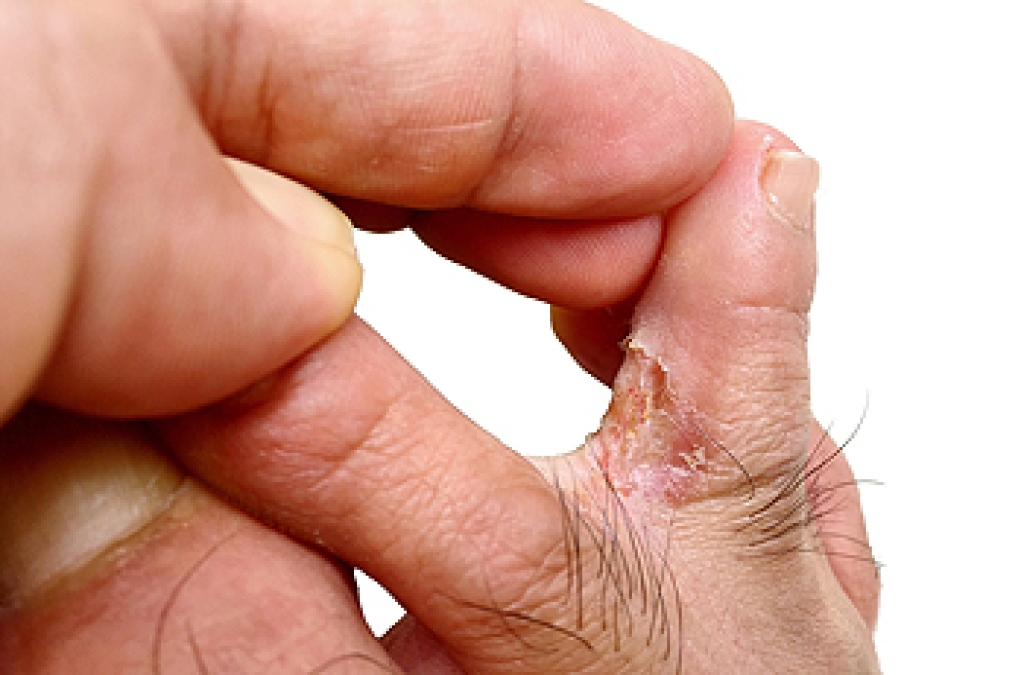
Athlete’s foot is a common fungal infection that affects the skin of the feet, often beginning between the toes. It is caused by fungi that thrive in warm, moist environments. Symptoms include a flaky rash between the toes, scaly peeling skin, itchy blisters, and sensations of stinging or burning. Risk factors include wearing closed shoes for long periods, sweating heavily from the feet, not changing socks or drying feet properly, and living in warm climates. A podiatrist can diagnose the condition, recommend antifungal treatments, and provide guidance to prevent recurrence. If you have symptoms of athletes’ foot, it is suggested that you consult a podiatrist who can offer effective treatment solutions, which may include prescribed medication.
Athlete’s Foot
Athlete’s foot is often an uncomfortable condition to experience. Thankfully, podiatrists specialize in treating athlete’s foot and offer the best treatment options. If you have any questions about athlete’s foot, consult with one of our podiatrists from Foot and Ankle Clinics, PA. Our doctors will assess your condition and provide you with quality treatment.
What Is Athlete’s Foot?
Tinea pedis, more commonly known as athlete’s foot, is a non-serious and common fungal infection of the foot. Athlete’s foot is contagious and can be contracted by touching someone who has it or infected surfaces. The most common places contaminated by it are public showers, locker rooms, and swimming pools. Once contracted, it grows on feet that are left inside moist, dark, and warm shoes and socks.
Prevention
The most effective ways to prevent athlete’s foot include:
Symptoms
Athlete’s foot initially occurs as a rash between the toes. However, if left undiagnosed, it can spread to the sides and bottom of the feet, toenails, and if touched by hand, the hands themselves. Symptoms include:
Diagnosis and Treatment
Diagnosis is quick and easy. Skin samples will be taken and either viewed under a microscope or sent to a lab for testing. Sometimes, a podiatrist can diagnose it based on simply looking at it. Once confirmed, treatment options include oral and topical antifungal medications.
If you have any questions, please feel free to contact our offices located in Woodbury, West St. Paul, and Edina, MN . We offer the newest diagnostic and treatment technologies for all your foot care needs.
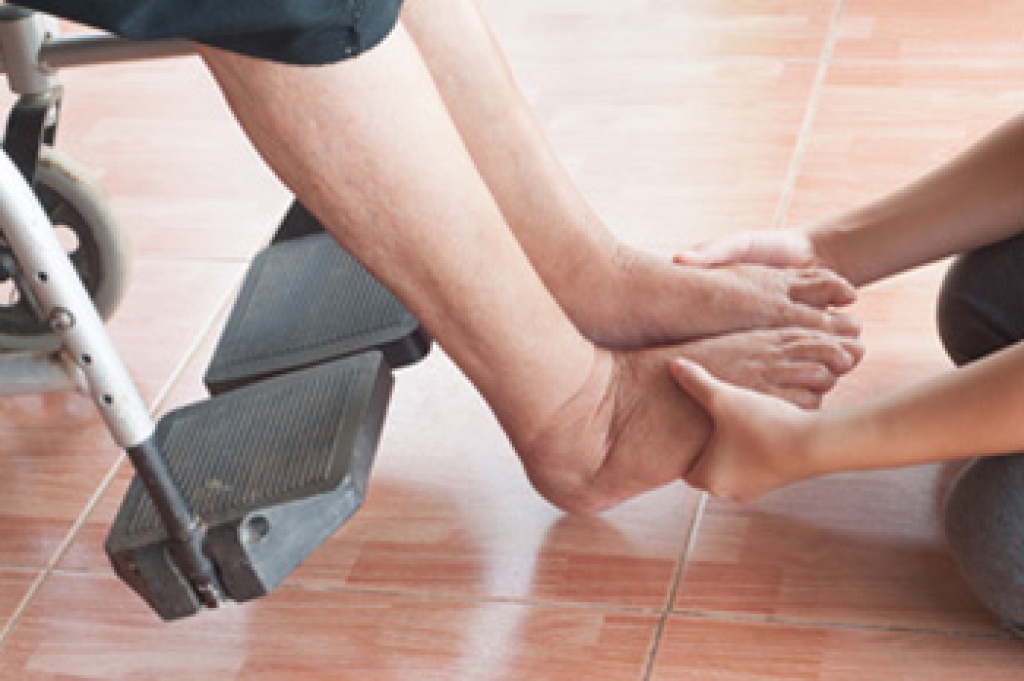
As people age, nails often become thicker, more brittle, and harder to trim. Limited flexibility, vision changes, and certain health conditions can make nail care difficult and increase the risk of problems such as ingrown toenails, fungal infections, or painful pressure spots. Podiatrists provide safe and effective nail care, ensuring nails are trimmed properly to reduce discomfort and prevent complications. They can also detect early signs of other foot issues, including skin changes, circulation problems, and pressure-related sores. Beyond nail care, podiatrists help older adults maintain mobility through regular foot evaluations, treatment of corns and calluses, and advice on proper footwear. Ongoing professional care can improve comfort, lower the risk of infection, and support independence. If you or a loved one has difficulty in managing toenail care or notices changes in foot health, it is suggested that you seek help from a podiatrist for expert guidance.
Proper foot care is something many older adults forget to consider. If you have any concerns about your feet and ankles, contact one of our podiatrists from Foot and Ankle Clinics, PA. Our doctors can provide the care you need to keep you pain-free and on your feet.
The Elderly and Their Feet
As we age we start to notice many changes in our body, but the elder population may not notice them right away. Medical conditions may prevent the elderly to take notice of their foot health right away. Poor vision is a lead contributor to not taking action for the elderly.
Common Conditions
Susceptible Infections
Diabetes and poor circulation can cause general loss of sensitivity over the years, turning a simple cut into a serious issue.
If you have any questions, please feel free to contact our offices located in Woodbury, West St. Paul, and Edina, MN . We offer the newest diagnostic and treatment technologies for all your foot care needs.
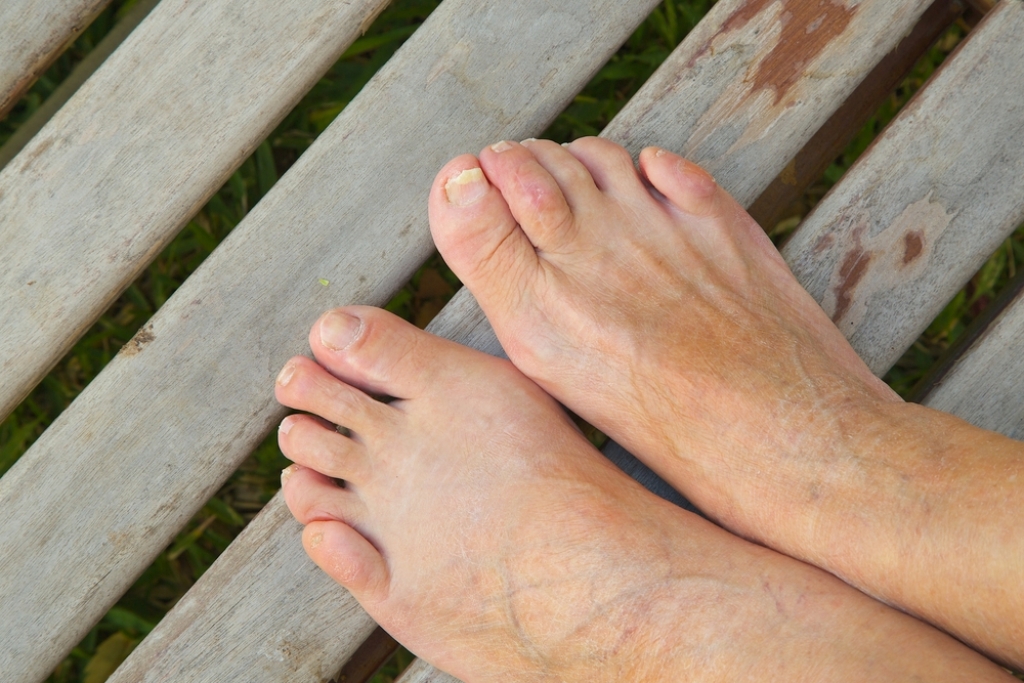
Hammertoe is a deformity where the toe bends downward at the middle joint, resembling a hammer. It often affects the second, third, or fourth toe. Common causes include unusually long toe bones, muscle imbalances, rheumatoid arthritis, and foot injuries. Among other causes are bunions pushing against the toe, years of wearing tight or ill-fitting shoes, and genetic factors. Symptoms include pain while wearing shoes, visible bending of the toe, corns or calluses from friction, inflammation, redness, and restricted movement. The toe may appear raised at the joint and feel stiff or sore, especially during walking or pressure. A podiatrist can diagnose hammertoe with a physical exam and imaging, if needed. Treatment options include wearing roomier shoes, using custom orthotics, toe splints or pads, and prescribing anti-inflammatory medication. In more advanced cases, surgical correction may be recommended. If you have developed this condition, it is suggested that schedule an appointment with a podiatrist for appropriate treatment solutions.
Hammertoe
Hammertoes can be a painful condition to live with. For more information, contact one of our podiatrists from Foot and Ankle Clinics, PA. Our doctors will answer any of your foot- and ankle-related questions.
Hammertoe is a foot deformity that affects the joints of the second, third, fourth, or fifth toes of your feet. It is a painful foot condition in which these toes curl and arch up, which can often lead to pain when wearing footwear.
Symptoms
Causes
Genetics – People who are genetically predisposed to hammertoe are often more susceptible
Arthritis – Because arthritis affects the joints in your toes, further deformities stemming from arthritis can occur
Trauma – Direct trauma to the toes could potentially lead to hammertoe
Ill-fitting shoes – Undue pressure on the front of the toes from ill-fitting shoes can potentially lead to the development of hammertoe
Treatment
Orthotics – Custom made inserts can be used to help relieve pressure placed on the toes and therefore relieve some of the pain associated with it
Medications – Oral medications such as anti-inflammatories or NSAIDs could be used to treat the pain and inflammation hammertoes causes. Injections of corticosteroids are also sometimes used
Surgery – In more severe cases where the hammertoes have become more rigid, foot surgery is a potential option
If you have any questions, please feel free to contact our offices located in Woodbury, West St. Paul, and Edina, MN . We offer the newest diagnostic and treatment technologies for all your foot care needs.

Pain in the big toe can change the way a person walks, especially when caused by a stiff joint at the base of the toe, a condition known as hallux rigidus. This problem develops when the big toe joint wears down over time, making it harder and more painful when it bends. Since this joint helps push the foot off the ground with each step, limited movement often forces people to shift weight to the outside of the foot or avoid rolling through the toes. This change in walking pattern, or gait, can strain other parts of the foot, including the smaller toes, the arch, and the ankle. Over time, this may lead to pain, muscle soreness, or even problems with balance. Some people also notice swelling or a bump on top of the toe joint. A podiatrist can check how the big toe joint moves, look for signs of wear, and offer treatment. Options include medication, shoe support, or surgery, if the joint is badly damaged. If you are experiencing pain in the big toe when you take a step, it is suggested that you schedule an appointment with a podiatrist for an exam, diagnosis, and appropriate treatment.
Toe pain can disrupt your daily activities. If you have any concerns, contact one of our podiatrists of Foot and Ankle Clinics, PA. Our doctors can provide the care you need to keep you pain-free and on your feet.
What Causes Toe Pain?
Most severe toe pain is caused due to a sports injury, trauma from dropping something heavy on the toe, or bumping into something rigid. Other problems can develop over time for various reasons.
Toe pain can be caused by one or more ailments. The most common include:
When to See a Podiatrist
Diagnosis
In many cases the cause of toe pain is obvious, but in others, a podiatrist may want to use more advanced methods to determine the problem. These can range from simple visual inspections and sensation tests to X-rays and MRI scans. Prior medical history, family medical history, and any recent physical traumatic events will all be taken into consideration for a proper diagnosis.
Treatment
Treatments for toe pain and injuries vary and may include shoe inserts, padding, taping, medicines, injections, and in some cases, surgery. If you believe that you have broken a toe, please see a podiatrist as soon as possible.
If you have any questions please contact our offices located in Woodbury, West St. Paul, and Edina, MN . We offer the newest diagnostic and treatment technologies for all your foot and ankle needs.
Connect With Us


