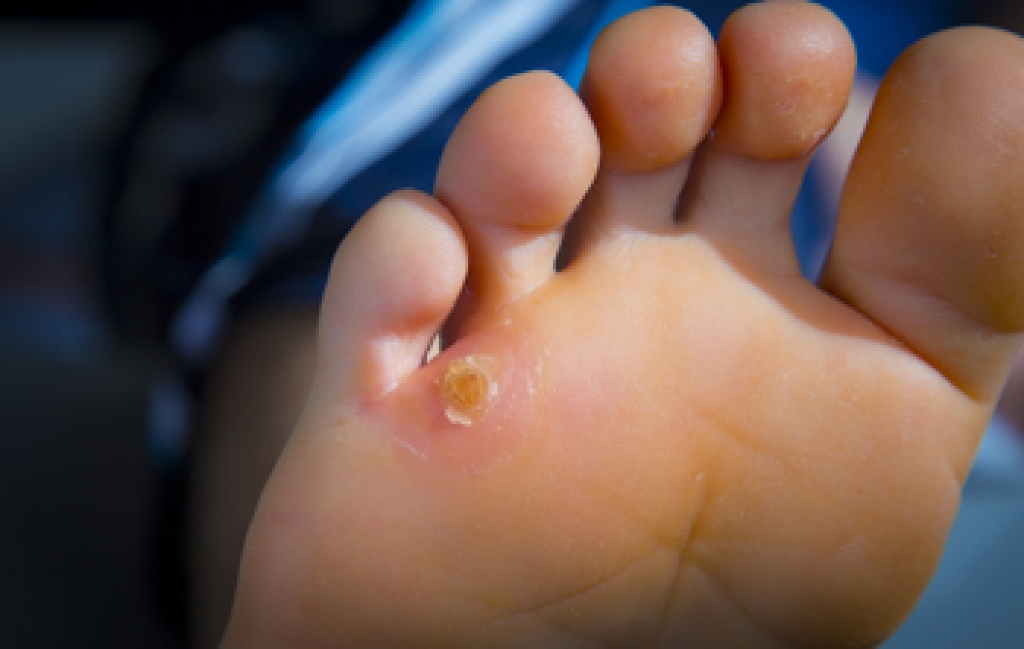
Types and Causes of Corns on the Feet

Corns are thickened areas of skin that form due to constant friction or pressure, often from  wearing tight shoes or abnormal foot structure. The two main types are hard corns and soft corns. Hard corns typically develop on the top or tip of the toes and contain a dense core of dead skin that can cause pain while walking. Soft corns, also called interdigital corns, usually form between the toes, especially the fourth and fifth toes, where moisture keeps them pliable but still painful. Corns differ from calluses in that calluses are larger, flatter, and tend to form on weight-bearing areas such as the balls of the feet. A podiatrist can assess the cause of corns and provide safe treatment by trimming thickened skin, removing the core, or recommending surgery, if necessary. Recurrent or painful corns may indicate underlying foot deformities that can be addressed by a podiatrist. If you have a painful corn on your foot, it is suggested that you schedule an appointment with a podiatrist for safe and sterile treatment.

Corns can make walking very painful and should be treated immediately. If you have questions regarding your feet and ankles, contact one of our podiatrists of Foot and Ankle Clinics, PA. Our doctors will treat your foot and ankle needs.

Corns: What Are They? And How Do You Get Rid of Them?
Corns are thickened areas on the skin that can become painful. They are caused by excessive pressure and friction on the skin. Corns press into the deeper layers of the skin and are usually round in shape.

Ways to Prevent Corns
There are many ways to get rid of painful corns such as:

  • Wearing properly fitting shoes that have been measured by a professional
  • Wearing shoes that are not sharply pointed or have high heels
  • Wearing only shoes that offer support

Treating Corns

Although most corns slowly disappear when the friction or pressure stops, this isn’t always the case. Consult with your podiatrist to determine the best treatment option for your case of corns.

If you have any questions, please feel free to contact our offices located in Woodbury, West St. Paul, and Edina, MN . We offer the newest diagnostic and treatment technologies for all your foot care needs.
Read more about Understanding Corns and Calluses

Facts About Sever’s Disease

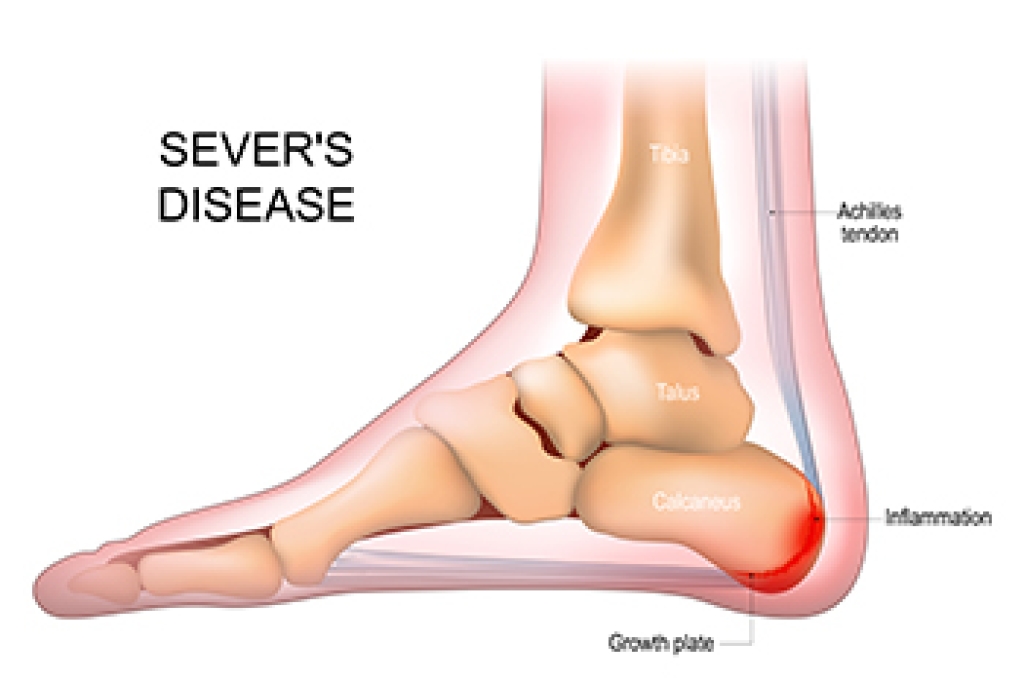
Sever’s disease is a common cause of heel pain in growing children, especially those who are physically active. It occurs when the growth plate in the heel becomes inflamed due to repetitive stress during periods of rapid bone development. The condition often affects children involved in running or jumping activities, as the heel bone grows faster than the surrounding muscles and tendons can stretch. Symptoms include heel pain during or after activity, tenderness, and difficulty walking or running. Pain may worsen with pressure on the back of the heel. Risk factors include participation in sports, poor footwear, tight calf muscles, and a recent growth spurt. If your active child has heel pain, it may be Sever’s disease, and it is suggested that you consult a podiatrist who can accurately diagnose and offer relief tips for this condition.

Sever's disease often occurs in children and teens. If your child is experiencing foot or ankle pain, see one of our podiatrists from Foot and Ankle Clinics, PA. Our doctors can treat your child’s foot and ankle needs.

Sever’s Disease

Sever’s disease is also known as calcaneal apophysitis, which is a medical condition that causes heel pain I none or both feet. The disease is known to affect children between the ages of 8 and 14.

Sever’s disease occurs when part of the child’s heel known as the growth plate (calcaneal epiphysis) is attached to the Achilles tendon. This area can suffer injury when the muscles and tendons of the growing foot do not keep pace with bone growth. Therefore, the constant pain which one experiences at the back of the heel will make the child unable to put any weight on the heel. The child is then forced to walk on their toes.

Symptoms

Acute pain – Pain associated with Sever’s disease is usually felt in the heel when the child engages in physical activity such as walking, jumping and or running.

Highly active – Children who are very active are among the most susceptible in experiencing Sever’s disease, because of the stress and tension placed on their feet.

If you have any questions, please feel free to contact our offices located in Woodbury, West St. Paul, and Edina, MN . We offer the newest diagnostic and treatment technologies for all your foot care needs.
Read more about Sever's Disease

Managing Painful Gout

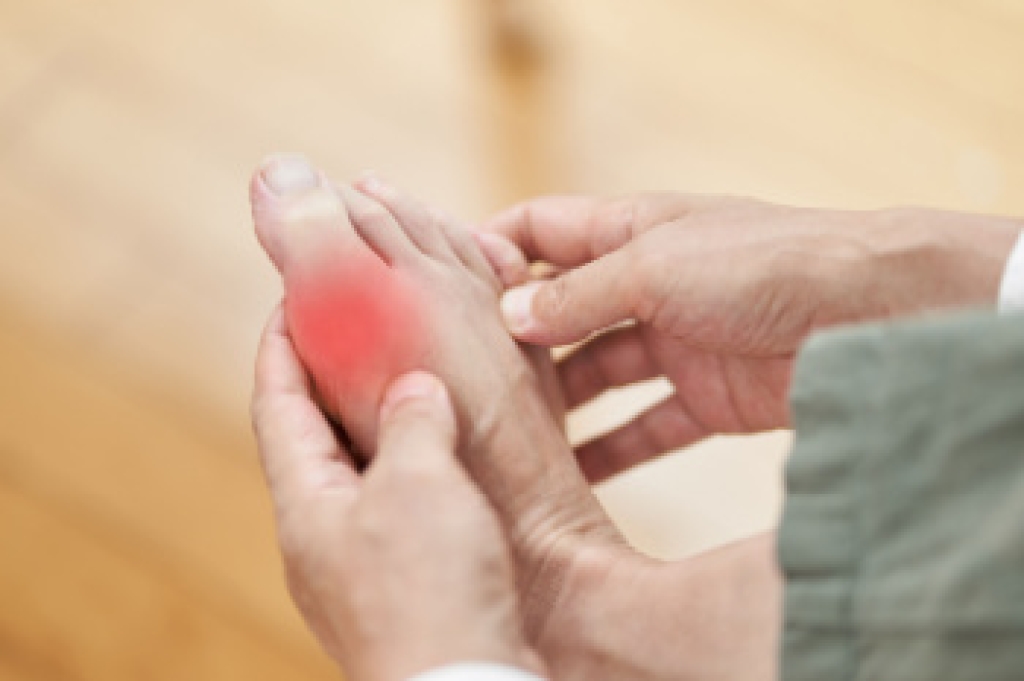
Gout is a type of arthritis that can occur suddenly, often at night, causing severe pain and swelling in the affected joint. It happens when uric acid builds up in the bloodstream, forming crystals that deposit in joints, particularly in the big toe. This can result from consuming too many purine-rich foods like red meat, shellfish, and alcohol, or due to kidney issues that prevent uric acid from being excreted properly. Symptoms include intense joint pain, swelling, redness, and warmth, which can feel like a throbbing or burning sensation. The pain may be so severe that even the weight of a blanket can be unbearable. Gout attacks can last for days and may recur, if left untreated. A podiatrist can help by diagnosing gout through a physical exam, blood tests, or joint fluid analysis. They may recommend lifestyle changes, medications, or specific treatments to relieve pain and prevent future attacks. If you have this condition, it is suggested that you schedule an appointment with a podiatrist for appropriate care.

Gout is a painful condition that can be treated. If you are seeking treatment, contact one of our podiatrists from Foot and Ankle Clinics, PA. Our doctors will treat your foot and ankle needs.

What Is Gout?

Gout is a form of arthritis that is characterized by sudden, severe attacks of pain, redness, and tenderness in the joints. The condition usually affects the joint at the base of the big toe. A gout attack can occur at any random time, such as the middle of the night while you are asleep.

Symptoms

  • Intense Joint Pain - Usually around the large joint of your big toe, and it most severe within the first four to twelve hours
  • Lingering Discomfort - Joint discomfort may last from a few days to a few weeks
  • Inflammation and Redness -Affected joints may become swollen, tender, warm and red
  • Limited Range of Motion - May experience a decrease in joint mobility

Risk Factors

  • Genetics - If family members have gout, you’re more likely to have it
  • Medications - Diuretic medications can raise uric acid levels
  • Gender/Age - Gout is more common in men until the age of 60. It is believed that estrogen protects women until that point
  • Diet - Eating red meat and shellfish increases your risk
  • Alcohol - Having more than two alcoholic drinks per day increases your risk
  • Obesity - Obese people are at a higher risk for gout

Prior to visiting your podiatrist to receive treatment for gout, there are a few things you should do beforehand. If you have gout you should write down your symptoms--including when they started and how often you experience them, important medical information you may have, and any questions you may have. Writing down these three things will help your podiatrist in assessing your specific situation so that he or she may provide the best route of treatment for you.

If you have any questions, please feel free to contact our offices located in Woodbury, West St. Paul, and Edina, MN . We offer the newest diagnostic and treatment technologies for all your foot care needs.

Read more about Everything You Need to Know About Gout

How Feet Influence Athletic Performance

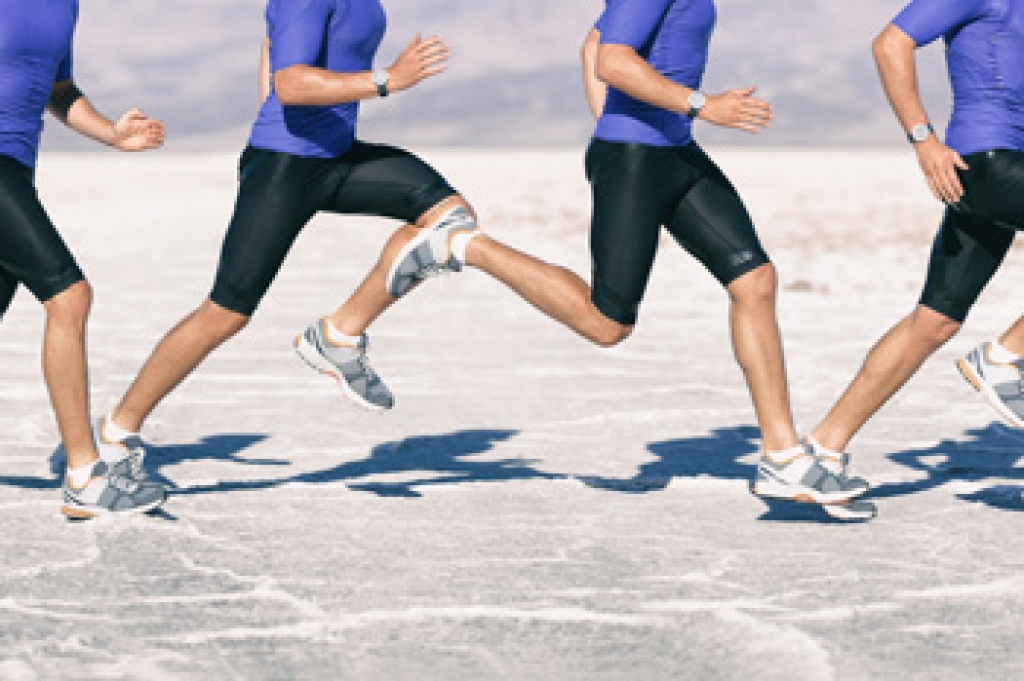
The feet play a vital role in athletic performance by providing shock absorption, stability, and propulsion. They absorb impact forces during activities such as running and jumping, reducing stress on the joints and muscles. Proper foot alignment enhances stability, allowing athletes to maintain balance and control movement efficiently. The way the feet strike the ground affects energy transfer and can influence speed and endurance. A strong push-off from the toes generates power for sprinting, jumping, and sudden changes in direction. Foot mechanics also determine how effectively an athlete can pivot and accelerate. Strengthening the muscles of the feet and wearing appropriate footwear can enhance performance and reduce injury risk. If you participate in sporting activities and have injured your foot or ankle, it is suggested that you contact a podiatrist who can treat various foot conditions, and offer effective injury prevention methods.

If you have any concerns about your feet, contact one of our podiatrists from Foot and Ankle Clinics, PA. Our doctors can provide the care you need to keep you pain-free and on your feet.

Biomechanics in Podiatry

Podiatric biomechanics is a particular sector of specialty podiatry with licensed practitioners who are trained to diagnose and treat conditions affecting the foot, ankle and lower leg. Biomechanics deals with the forces that act against the body, causing an interference with the biological structures. It focuses on the movement of the ankle, the foot and the forces that interact with them.

A History of Biomechanics

  • Biomechanics dates back to the BC era in Egypt where evidence of professional foot care has been recorded.
  • In 1974, biomechanics gained a higher profile from the studies of Merton Root, who claimed that by changing or controlling the forces between the ankle and the foot, corrections or conditions could be implemented to gain strength and coordination in the area.

Modern technological improvements are based on past theories and therapeutic processes that provide a better understanding of podiatric concepts for biomechanics. Computers can provide accurate information about the forces and patterns of the feet and lower legs.

Understanding biomechanics of the feet can help improve and eliminate pain, stopping further stress to the foot.

If you have any questions please feel free to contact our offices located in Woodbury, West St. Paul, and Edina, MN . We offer the newest diagnostic and treatment technologies for all your foot and ankle needs.

Read more about Biomechanics in Podiatry

Heel Pain Can Be Treated!

Do you suffer from heel pain when you get up in the morning? If so, you should seek professional help and have a proper diagnosis performed. Heel pain can be caused by several different foot-related conditions.

Connect With Us