
Custom orthotics, or shoe inserts, should be periodically replaced. Orthotics must fit properly to give you the best results. Protect your feet and ankles!
Custom orthotics, or shoe inserts, should be periodically replaced. Orthotics must fit properly to give you the best results. Protect your feet and ankles!
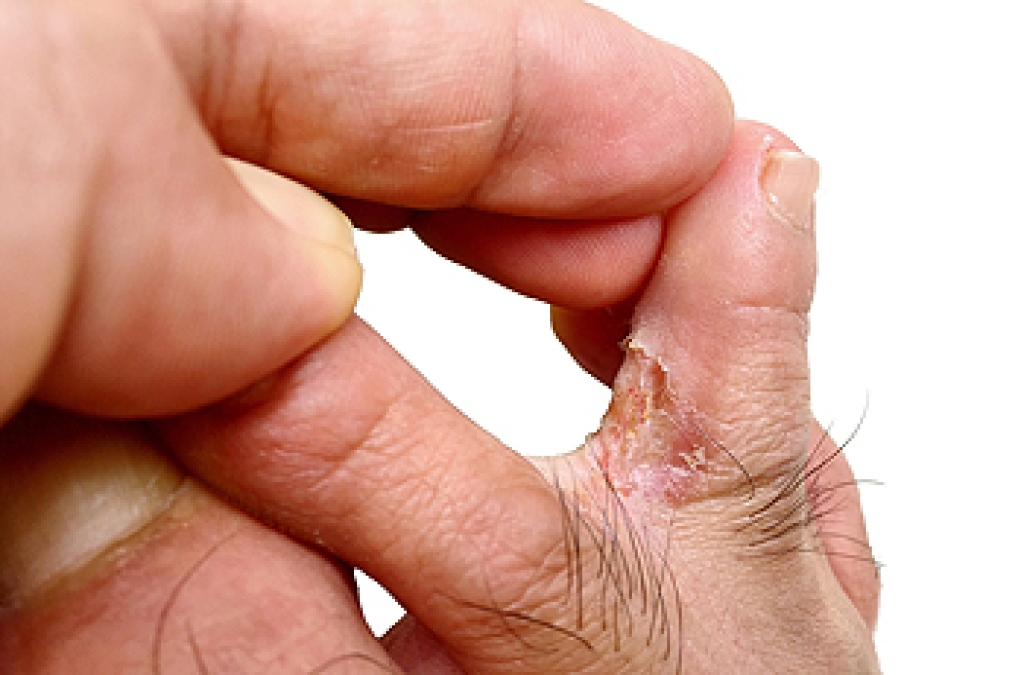
Athlete’s foot, also known as tinea pedis, is a fungal infection and the most widespread form of dermatophytosis affecting the feet. It develops when fungi grow on the skin, often in warm and moist environments. Excessive foot sweating can easily facilitate fungal growth, making the condition more likely to appear between the toes or on the soles. Symptoms include itching, burning, peeling skin, redness, and an unpleasant odor. A podiatrist can confirm the diagnosis, recommend effective treatments, address moisture issues, and provide guidance to prevent the infection from returning. If you are noticing irritation or persistent changes in your skin, it is suggested that you seek professional podiatric care to begin effective treatment.
Athlete’s foot is an inconvenient condition that can be easily reduced with the proper treatment. If you have any concerns about your feet and ankles, contact one of our podiatrists from Foot and Ankle Clinics, PA. Our doctors will treat your foot and ankle needs.
Athlete’s Foot: The Sole Story
Athlete's foot, also known as tinea pedis, can be an extremely contagious foot infection. It is commonly contracted in public changing areas and bathrooms, dormitory style living quarters, around locker rooms and public swimming pools, or anywhere your feet often come into contact with other people.
Solutions to Combat Athlete’s Foot
Athlete’s foot can cause many irritating symptoms such as dry and flaking skin, itching, and redness. Some more severe symptoms can include bleeding and cracked skin, intense itching and burning, and even pain when walking. In the worst cases, Athlete’s foot can cause blistering as well. Speak to your podiatrist for a better understanding of the different causes of Athlete’s foot, as well as help in determining which treatment options are best for you.
If you have any questions please feel free to contact our offices located in Woodbury, West St. Paul, and Edina, MN . We offer the newest diagnostic and treatment technologies for all your foot and ankle needs.

Gout, once known as a disease of indulgence, is becoming increasingly common as rates of obesity and high blood pressure climb. This painful condition occurs when uric acid builds up in the bloodstream, forming sharp crystals that settle in joints, most often the big toe. Sudden swelling, redness, and intense pain can make even a bed sheet feel unbearable. Excess weight and certain medications used for hypertension can raise uric acid levels, triggering more frequent attacks. A podiatrist can help identify gout through diagnostic testing, relieve pain during flare-ups, and create a personalized plan to prevent future episodes. This may include shoe recommendations, dietary guidance, and custom orthotics to ease pressure on sensitive joints. If you experience recurring pain in your toe or foot, it is suggested that you schedule a visit with a podiatrist for evaluation and management.
Gout is a painful condition that can be treated. If you are seeking treatment, contact one of our podiatrists from Foot and Ankle Clinics, PA. Our doctors will treat your foot and ankle needs.
What Is Gout?
Gout is a form of arthritis that is characterized by sudden, severe attacks of pain, redness, and tenderness in the joints. The condition usually affects the joint at the base of the big toe. A gout attack can occur at any random time, such as the middle of the night while you are asleep.
Symptoms
Risk Factors
Prior to visiting your podiatrist to receive treatment for gout, there are a few things you should do beforehand. If you have gout you should write down your symptoms--including when they started and how often you experience them, important medical information you may have, and any questions you may have. Writing down these three things will help your podiatrist in assessing your specific situation so that he or she may provide the best route of treatment for you.
If you have any questions, please feel free to contact our offices located in Woodbury, West St. Paul, and Edina, MN . We offer the newest diagnostic and treatment technologies for all your foot care needs.

Tarsal tunnel syndrome occurs when the posterior tibial nerve becomes compressed as it travels through the inside of the ankle. This pressure can cause burning, tingling, or numbness that may extend into the arch or toes. The condition often develops from flat feet, injury, swelling, or medical issues such as diabetes or arthritis. Without proper care, symptoms can worsen and affect mobility. Treatment focuses on easing pressure on the nerve and reducing inflammation. Wearing supportive shoes, custom orthotics, and rest can help relieve irritation. In some cases, a podiatrist may recommend targeted exercises, corticosteroid injections, or other advanced treatments to restore comfort and function. If you notice persistent tingling, pain, or weakness in your foot or ankle, it is suggested that you schedule an appointment with a podiatrist for a complete evaluation and appropriate treatment plan.
Tarsal tunnel syndrome can be very uncomfortable to live with. If you are experiencing tarsal tunnel syndrome, contact one of our podiatrists of Foot and Ankle Clinics, PA. Our doctors can provide the care you need to keep you pain-free and on your feet.
Tarsal Tunnel Syndrome
Tarsal tunnel syndrome, which can also be called tibial nerve dysfunction, is an uncommon condition of misfiring peripheral nerves in the foot. The tibial nerve is the peripheral nerve in the leg responsible for sensation and movement of the foot and calf muscles. In tarsal tunnel syndrome, the tibial nerve is damaged, causing problems with movement and feeling in the foot of the affected leg.
Common Cause of Tarsal Tunnel Syndrome
The Effects of Tarsal Tunnel Syndrome
A physical exam of the leg can help identify the presence of tarsal tunnel syndrome. Medical tests, such as a nerve biopsy, are also used to diagnose the condition. Patients may receive physical therapy and prescriptive medication. In extreme cases, some may require surgery.
If you have any questions please contact our offices located in Woodbury, West St. Paul, and Edina, MN . We offer the newest diagnostic and treatment technologies for all your foot and ankle needs.

Neuropathy is a condition that quietly affects the nerves, often starting in the feet. Many people describe it as tingling, burning, or a sensation of walking on pebbles. It can make simple movements feel uncertain and lead to balance issues, over time. The causes vary, including diabetes, circulatory problems, and certain medications, but the impact is always personal. When nerve signals misfire, daily comfort and safety can be compromised. Early diagnosis is important because timely treatment can slow progression and ease discomfort. A podiatrist can perform specialized testing to evaluate nerve function and develop a personalized plan to protect your feet and improve circulation. Healthy nerves are essential for confident steps and overall well-being. If you notice numbness, burning, or unexplained pain in your feet, it is suggested that you schedule an appointment with a podiatrist for an expert diagnosis and appropriate care.
Neuropathy
Neuropathy can be a potentially serious condition, especially if it is left undiagnosed. If you have any concerns that you may be experiencing nerve loss in your feet, consult with one of our podiatrists from Foot and Ankle Clinics, PA. Our doctors will assess your condition and provide you with quality foot and ankle treatment for neuropathy.
What Is Neuropathy?
Neuropathy is a condition that leads to damage to the nerves in the body. Peripheral neuropathy, or neuropathy that affects your peripheral nervous system, usually occurs in the feet. Neuropathy can be triggered by a number of different causes. Such causes include diabetes, infections, cancers, disorders, and toxic substances.
Symptoms of Neuropathy Include:
Those with diabetes are at serious risk due to being unable to feel an ulcer on their feet. Diabetics usually also suffer from poor blood circulation. This can lead to the wound not healing, infections occurring, and the limb may have to be amputated.
Treatment
To treat neuropathy in the foot, podiatrists will first diagnose the cause of the neuropathy. Figuring out the underlying cause of the neuropathy will allow the podiatrist to prescribe the best treatment, whether it be caused by diabetes, toxic substance exposure, infection, etc. If the nerve has not died, then it’s possible that sensation may be able to return to the foot.
Pain medication may be issued for pain. Electrical nerve stimulation can be used to stimulate nerves. If the neuropathy is caused from pressure on the nerves, then surgery may be necessary.
If you have any questions, please feel free to contact our offices located in Woodbury, West St. Paul, and Edina, MN . We offer the newest diagnostic and treatment technologies for all your foot care needs.
Connect With Us


