Blog

Finding Shoes for Speed Walking

While many specialty shoe stores emphasize their running shoes, you do not actually need to be a seasoned runner, or even a runner at all, to wear running shoes. Those who prefer to walk for exercise, and especially those who like to speed walk, may find that their shoe needs are best met with running shoes. Running shoes are built to be stable and comfortable. You will also want to look for shoes that are flexible and have adequate cushioning. Shoes that match your gait are also suggested. You can have your gait assessed at some shoe stores, or by a podiatrist. For more information about finding the right shoes for all of your physical fitness needs, please consult with a podiatrist. 

For more information about walking shoes versus running shoes, consult with one of our podiatrists from Foot and Ankle Clinics, PA. Our doctors can measure your feet to determine what your needs are and help you find an appropriate pair of footwear.

Foot Health: The Differences between Walking & Running Shoes

There are great ways to stay in shape: running and walking are two great exercises to a healthy lifestyle. It is important to know that running shoes and walking shoes are not interchangeable. There is a key difference on how the feet hit the ground when someone is running or walking. This is why one should be aware that a shoe is designed differently for each activity.

You may be asking yourself what the real differences are between walking and running shoes and the answers may shock you.

Differences

Walking doesn’t involve as much stress or impact on the feet as running does. However, this doesn’t mean that you should be any less prepared. When you’re walking, you land on your heels and have your foot roll forward. This rolling motion requires additional support to the feet.

Flexibility – Walking shoes are designed to have soft, flexible soles. This allows the walker to push off easily with each step.

If you have any questions, please feel free to contact our offices located in Woodbury, West St. Paul, and Edina, MN . We offer the newest diagnostic and treatment technologies for all your foot care needs.


Read more about Differences between Walking and Running Shoes

Wearing High Heels With Bunions

Bunions, bony bumps on the sides of the feet that often form at the big toe joint, can cause pain or discomfort. This problem is exacerbated by wearing shoes that have excessively high heels, pointed toes, or a fit that is too tight. While you don’t have to give up high heels forever, if you have a bunion, it is recommended that you make changes when it comes to the type of heels you wear and how frequently you wear them. When picking out your shoes, opt for those with a heel no higher than two inches. You should also look for wider shoes that have built-in support and cushioning. Rather than wearing high heels daily, it is recommended that you give your feet a break often, by resting the feet, wearing flats, and doing foot stretches regularly. For more information about bunions, or if you have painful bunions, please consult with a podiatrist.

If you are suffering from bunions, contact one of our podiatrists of Foot and Ankle Clinics, PA. Our doctors can provide the care you need to keep you pain-free and on your feet.

What Is a Bunion?

A bunion is formed of swollen tissue or an enlargement of boney growth, usually located at the base joint of the toe that connects to the foot. The swelling occurs due to the bones in the big toe shifting inward, which impacts the other toes of the foot. This causes the area around the base of the big toe to become inflamed and painful.

Why Do Bunions Form?

Genetics – Susceptibility to bunions are often hereditary

Stress on the feet – Poorly fitted and uncomfortable footwear that places stress on feet, such as heels, can worsen existing bunions

How Are Bunions Diagnosed?

Doctors often perform two tests – blood tests and x-rays – when trying to diagnose bunions, especially in the early stages of development. Blood tests help determine if the foot pain is being caused by something else, such as arthritis, while x-rays provide a clear picture of your bone structure to your doctor.

How Are Bunions Treated?

  • Refrain from wearing heels or similar shoes that cause discomfort
  • Select wider shoes that can provide more comfort and reduce pain
  • Anti-inflammatory and pain management drugs
  • Orthotics or foot inserts
  • Surgery

If you have any questions, please feel free to contact our offices located in Woodbury, West St. Paul, and Edina, MN . We offer the newest diagnostic and treatment technologies for all your foot care needs.
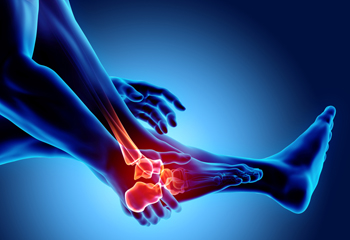
Read more about Bunions

It's Time for Beautiful Feet

You don't need an excuse to have beautiful nails. Step outside without worrying about the appearance of your feet.

What Is Juvenile Idiopathic Arthritis?

Juvenile idiopathic arthritis (JIA) is the most common type of arthritis in children and adolescents. This condition can cause inflammation and joint pain in any joint in the body, including those in the feet and ankles. These symptoms can make it difficult to walk, as joints become stiff, swollen, and tender. The child may become easily tired, and it can become harder to complete activities of daily living. JIA is an autoimmune disease and its causes are currently unknown. If your child has JIA that affects their feet or ankles, a podiatrist can help manage the foot and ankle symptoms associated with this disease. 

Arthritis can be a difficult condition to live with. If you are seeking treatment, contact one of our podiatrists from Foot and Ankle Clinics, PA. Our doctors can provide the care you need to keep you pain-free and on your feet.

Arthritic Foot Care  

Arthritis is a joint disorder that involves the inflammation of different joints in your body, such as those in your feet. Arthritis is often caused by a degenerative joint disease and causes mild to severe pain in all affected areas. In addition to this, swelling and stiffness in the affected joints can also be a common symptom of arthritis.

In many cases, wearing ill-fitting shoes can worsen the effects and pain of arthritis. Wearing shoes that have a lower heel and extra room can help your feet feel more comfortable. In cases of rheumatoid arthritis, the arch in your foot may become problematic. Buying shoes with proper arch support that contour to your feet can help immensely.

Alleviating Arthritic Pain

  • Exercises that stretch the foot can prevent further pain and injury and increase mobility
  • Most of the pain can be alleviated with anti-inflammatory drugs, heat, and topical medications
  • Massages can help temporarily alleviate pain.

It is best to see your doctor for the treatment that is right for your needs and symptoms. Conditions vary, and a podiatrist can help you determine the right method of care for your feet.

If you have any questions please feel free to contact our offices located in Woodbury, West St. Paul, and Edina, MN . We offer the newest diagnostic tools and technology to treat your foot and ankle needs.

Read more about Arthritic Foot Care

What Do Orthotics Help to Treat?

Orthotics are inserts that are put inside the shoe. They can be helpful in correcting certain foot conditions that may include abnormal foot structure and flat feet. Additionally, they can be beneficial in providing the necessary stability for deformities such as hammertoes. Orthotics are individually designed to properly fit your foot as the corrective process occurs. Research has shown they may be helpful in treating chronic foot ailments that can include plantar fasciitis, arthritis, or specific injuries that have happened. If you are interested in learning about orthotics and if they are right for you, it is strongly suggested that you confer with a podiatrist.

If you are having discomfort in your feet and would like to try orthotics, contact one of our podiatrists from Foot and Ankle Clinics, PA. Our doctors can provide the care you need to keep you pain-free and on your feet.

What Are Orthotics?

Orthotics are inserts you can place into your shoes to help with a variety of foot problems such as flat feet or foot pain. Orthotics provide relief and comfort for minor foot and heel pain but can’t correct serious biomechanical problems in your feet.

Over-the-Counter Inserts

Orthotics come in a wide variety of over-the-counter inserts that are used to treat foot pain, heel pain, and minor problems. For example, arch supports can be inserted into your shoes to help correct overarched or flat feet, while gel insoles are often used because they provide comfort and relief from foot and heel pain by alleviating pressure.

Prescription Orthotics

If over-the-counter inserts don’t work for you or if you have a more severe foot concern, it is possible to have your podiatrist prescribe custom orthotics. These high-quality inserts are designed to treat problems such as abnormal motion, plantar fasciitis, and severe forms of heel pain. They can even be used to help patients suffering from diabetes by treating foot ulcers and painful calluses and are usually molded to your feet individually, which allows them to provide full support and comfort.

If you are experiencing minor to severe foot or heel pain, it’s recommended to speak with your podiatrist about the possibilities of using orthotics. A podiatrist can determine which type of orthotic is right for you and allow you to take the first steps towards being pain-free.

If you have any questions, please feel free to contact our offices located in Woodbury, West St. Paul, and Edina, MN . We offer the newest diagnostic and treatment technologies for all your foot care needs.
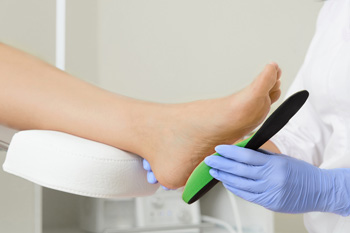
Read more about Ankle Foot Orthotics for Athletes

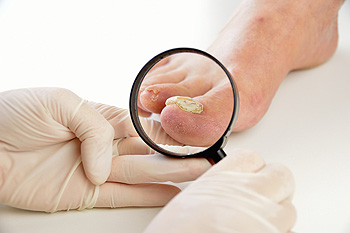
Understanding How Fungal Nail Infections Occur

Fungal toenail infections, also known as onychomycosis, are common infections that lead to the nails becoming discolored, yellowed, thickened, and brittle, often causing them to break. They are usually caused by fungi or yeast that enter into small cracks in the nail, ultimately infecting them. While toenail infections can affect people of any age, they are more likely in patients who have a nail injury, a weakened immune system, are older, or have athlete’s foot. The easiest way to prevent these infections is to keep the toes clean and dry. Fungi thrives in warm and moist environments, so it is important to not walk barefoot in public locker rooms and showers. Because fungal nail infections are difficult to cure, it is important to visit with a podiatrist if you notice signs of toenail fungus.

For more information about treatment, contact one of our podiatrists of Foot and Ankle Clinics, PA. Our doctors can provide the care you need to keep you pain-free and on your feet.

Toenail Fungus Treatment

Toenail fungus is a condition that affects many people and can be especially hard to get rid of. Fortunately, there are several methods to go about treating and avoiding it.

Antifungals & Deterrence

Oral antifungal medicine has been shown to be effective in many cases. It is important to consult with a podiatrist to determine the proper regiment for you, or potentially explore other options.

Applying foot powder on the feet and shoes helps keep the feet free of moisture and sweat.

Sandals or open toed shoes – Wearing these will allow air movement and help keep feet dry. They also expose your feet to light, which fungus cannot tolerate. Socks with moisture wicking material also help as well.

If you have any questions please contact our offices located in Woodbury, West St. Paul, and Edina, MN . We offer the newest diagnostic and treatment technologies for all your foot and ankle needs.

Read more about Toenail Fungus

Types of Ankle Sprains

Ankle sprains occur when the ligaments that connect the bones in the ankle become stretched or torn. Ankle sprains are divided into 3 categories. A Grade 1 sprain occurs when the ligament is mildly stretched. Once a ligament is slightly torn, a Grade 2 sprain occurs. A Grade 3 ankle sprain is the complete tear of one of the ligaments in the ankle. Sprains are usually indicated by pain, tenderness, bruising, stiffness, and an inability to put weight on the affected ankle. Upon experiencing a possible ankle sprain, it is important to visit with a podiatrist. A podiatrist will take X-rays to make sure there isn’t a fracture, and they will also determine the severity of the sprain. After the injury is assessed, your podiatrist will suggest the proper treatment options.

Although ankle sprains are common, they aren’t always minor injuries. If you need your ankle injury looked at, contact one of our podiatrists from Foot and Ankle Clinics, PA. Our doctors can provide the care you need to keep you pain-free and on your feet.

How Does an Ankle Sprain Occur?

Ankle sprains are the result of a tear in the ligaments within the ankle. These injuries may happen when you make a rapid shifting movement while your foot is planted. A less common way to sprain your ankle is when your ankle rolls inward while your foot turns outward.

What Are the Symptoms?

  • Pain at the sight of the tear
  • Bruising/Swelling
  • Ankle area is tender to touch
  • In severe cases, may hear/feel something tear
  • Skin discoloration

Preventing a Sprain

  • Wearing appropriate shoes for the occasion
  • Stretching before exercises and sports
  • Knowing your limits

Treatment of a Sprain

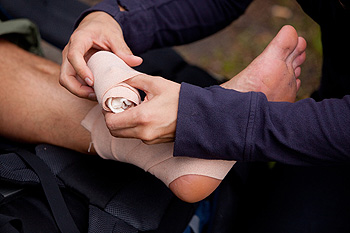
In many cases, the RICE method (Rest, Ice, Compression, and Elevate) is used to treat ankle sprains. However, you should see a podiatrist to see which treatment option would work best with your injury. In severe cases, surgery may be required.

It is important to ask your doctor about rehab options after you receive treatment for your injury. Stretching, strength training, and balance exercises may help the ankle heal while also preventing further injury.

If you have any questions, please feel free to contact our offices located in Woodbury, West St. Paul, and Edina, MN . We offer the newest diagnostic and treatment technologies for all your foot care needs.

Read more about Ankle Sprains

Wounds That Don't Heal Need to Be Checked

Your feet are covered most of the day. If you're diabetic, periodic screening is important for good health. Numbness is often a sign of diabetic foot and can mask a sore or wound.

Necessary Care for a Broken Foot

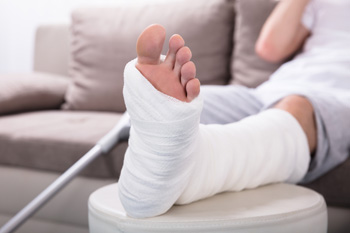
A broken foot can happen as a result of falling or enduring a sudden injury. The healing process can begin when a proper diagnosis is performed, which generally means having an X-ray taken. This is commonly followed by wearing a protective boot or cast, and it may help existing swelling when the foot is frequently elevated. The boot or cast may aid in walking while attempting to complete daily activities. If the fracture is severe, and the bone is protruding from the skin, surgery may be necessary for proper healing. It is suggested that you consult with a podiatrist if you have broken your foot.

A broken foot requires immediate medical attention and treatment. If you need your feet checked, contact one of our podiatrists from Foot and Ankle Clinics, PA. Our doctors can provide the care you need to keep you pain-free and on your feet.

Broken Foot Causes, Symptoms, and Treatment

A broken foot is caused by one of the bones in the foot typically breaking when bended, crushed, or stretched beyond its natural capabilities. Usually the location of the fracture indicates how the break occurred, whether it was through an object, fall, or any other type of injury. 

Common Symptoms of Broken Feet:

  • Bruising
  • Pain
  • Redness
  • Swelling
  • Blue in color
  • Numbness
  • Cold
  • Misshapen
  • Cuts
  • Deformities

Those that suspect they have a broken foot shoot seek urgent medical attention where a medical professional could diagnose the severity.

Treatment for broken bones varies depending on the cause, severity and location. Some will require the use of splints, casts or crutches while others could even involve surgery to repair the broken bones. Personal care includes the use of ice and keeping the foot stabilized and elevated.

If you have any questions, please feel free to contact our offices located in Woodbury, West St. Paul, and Edina, MN . We offer the newest diagnostic and treatment technologies for all your foot care needs.

Read more about Causes, Symptoms, and Treatment for a Broken Foot

Is Cuboid Syndrome Common?

The cuboid is a cube-shaped bone located in the middle of the foot. Since this bone is in an area that is not directly involved in bearing weight, an injury to the cuboid bone is not common. Nevertheless, it is still wise to be on the lookout for any signs of injury to the cuboid bone. Cuboid syndrome occurs when the cuboid bone is knocked out of its proper alignment, typically due to another injury, such as an ankle sprain, or from repetitive stress being placed on the bone. Symptoms of this condition include foot pain, bruising, swelling, and a reduced range of motion in the foot. Cuboid syndrome can be diagnosed through physical examination and treatments are typically conservative. If you are experiencing the symptoms of cuboid syndrome, it is recommended that you seek the care of a podiatrist.

Cuboid syndrome, also known as cuboid subluxation, occurs when the joints and ligaments near the cuboid bone in the foot become torn. If you have cuboid syndrome, consult with one of our podiatrists from Foot and Ankle Clinics, PA. Our doctors will assess your condition and provide you with quality foot and ankle treatment.

Cuboid syndrome is a common cause of lateral foot pain, which is pain on the outside of the foot. The condition may happen suddenly due to an ankle sprain, or it may develop slowly overtime from repetitive tension through the bone and surrounding structures.

Causes

The most common causes of cuboid syndrome include:

  • Injury – The most common cause of this ailment is an ankle sprain.
  • Repetitive Strain – Tension placed through the peroneus longus muscle from repetitive activities such as jumping and running may cause excessive traction on the bone causing it to sublux.
  • Altered Foot Biomechanics – Most people suffering from cuboid subluxation have flat feet.

Symptoms

A common symptom of cuboid syndrome is pain along the outside of the foot which can be felt in the ankle and toes. This pain may create walking difficulties and may cause those with the condition to walk with a limp.

Diagnosis

Diagnosis of cuboid syndrome is often difficult, and it is often misdiagnosed. X-rays, MRIs and CT scans often fail to properly show the cuboid subluxation. Although there isn’t a specific test used to diagnose cuboid syndrome, your podiatrist will usually check if pain is felt while pressing firmly on the cuboid bone of your foot.

Treatment

Just as the range of causes varies widely, so do treatments. Some more common treatments are ice therapy, rest, exercise, taping, and orthotics.

If you have any questions, please feel free to contact our offices located in Woodbury, West St. Paul, and Edina, MN . We offer the newest diagnostic and treatment technologies for all your foot care needs.


Read more about Cuboid Syndrome

Connect With Us