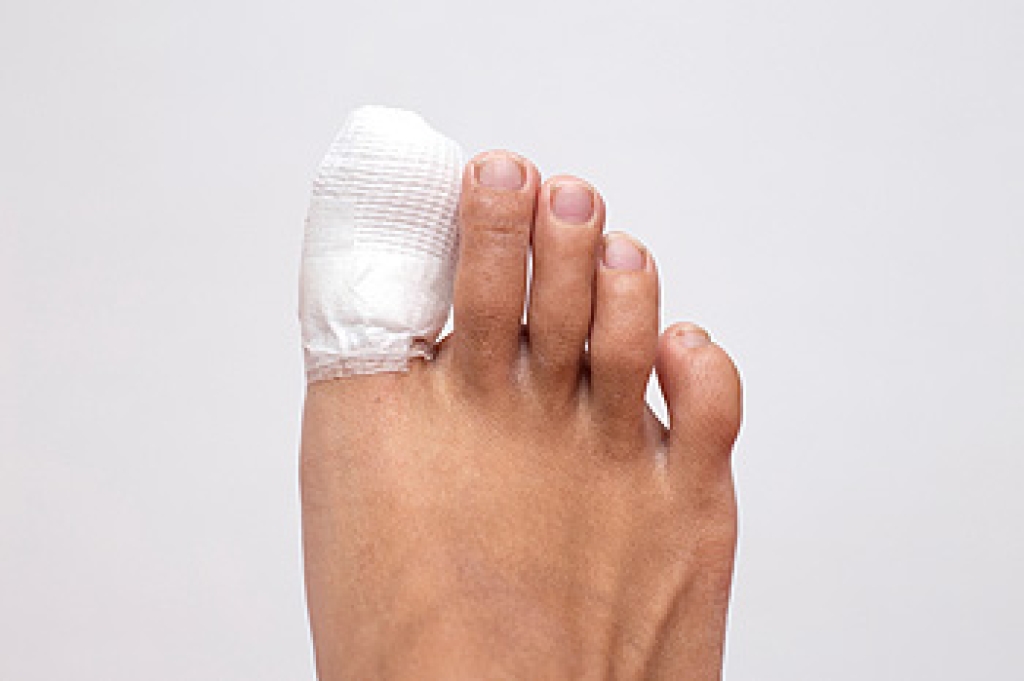
Broken Toes and Scooters

When an individual breaks their toe, this is known as a toe fracture. It might be due to a sudden impact or slow, repeated pressure over a long period of time. Regardless of the cause, many patients who have broken toes often look for the best way to treat this annoying condition. There are many different ways to mitigate the pain caused by a broken toe and address the condition. To improve mobility, many individuals with broken toes might use a knee scooter to help them get around. Walking with this knee scooter might help the patient move without putting weight on the impacted foot. It is important to know that this kind of scooter is optimal for outdoor use. When using the scooter to get around inside the house, it might prove to be slightly cumbersome when navigating tight corners. Consider contacting a podiatrist today for more information.

A broken toe can be very painful and lead to complications if not properly fixed. If you have any concerns about your feet, contact one of our podiatrists from Foot and Ankle Clinics, PA. Our doctors will treat your foot and ankle needs.

What to Know About a Broken Toe

Although most people try to avoid foot trauma such as banging, stubbing, or dropping heavy objects on their feet, the unfortunate fact is that it is a common occurrence. Given the fact that toes are positioned in front of the feet, they typically sustain the brunt of such trauma. When trauma occurs to a toe, the result can be a painful break (fracture).

Symptoms of a Broken Toe

  • Throbbing pain
  • Swelling
  • Bruising on the skin and toenail
  • The inability to move the toe
  • Toe appears crooked or disfigured
  • Tingling or numbness in the toe

Generally, it is best to stay off of the injured toe with the affected foot elevated.

Severe toe fractures may be treated with a splint, cast, and in some cases, minor surgery. Due to its position and the pressure it endures with daily activity, future complications can occur if the big toe is not properly treated.

If you have any questions, please feel free to contact our offices located in Woodbury, West St. Paul, and Edina, MN . We offer the newest diagnostic and treatment technologies for all your foot care needs.
Read more about What to Know About a Broken Toe

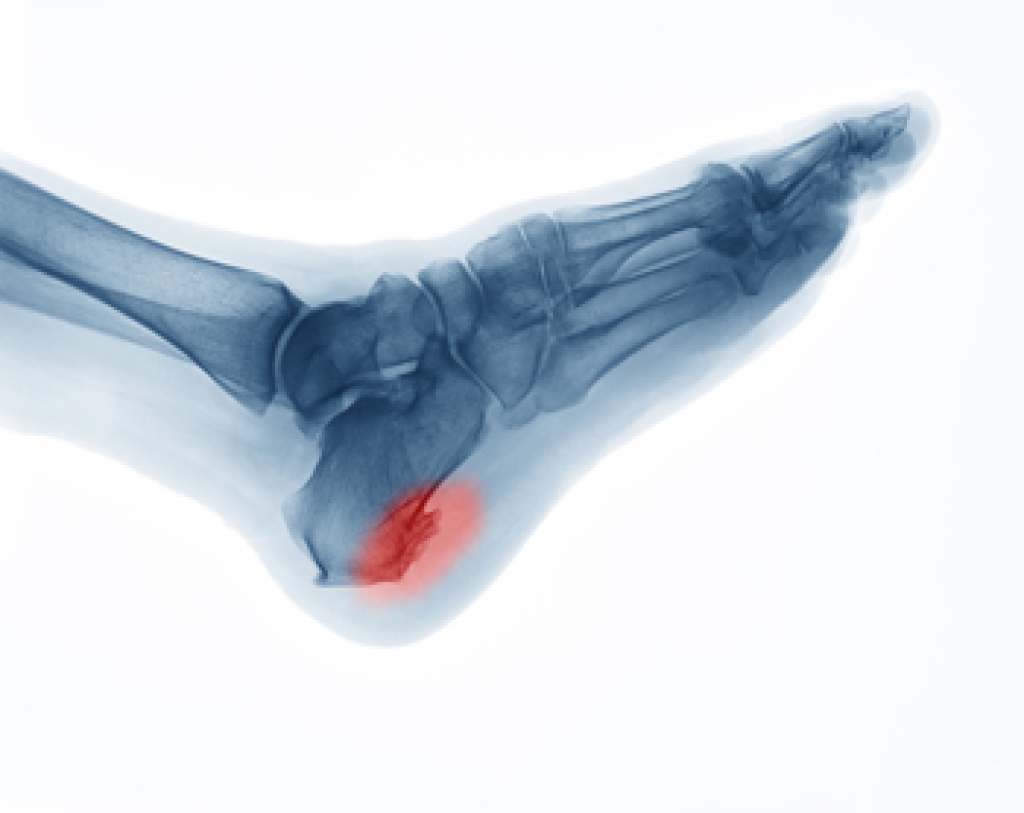
The Etiology of Heel Spurs

A heel spur is essentially a hook-shaped bony formation that can sometimes develop on the underside of an individual’s heel bone. The spur will grow and point toward the toes of the foot. Interestingly, there has been some debate within the scientific community about the exact etiology, or cause, of heel spurs. For example, one’s hereditary propensity towards heel spurs was thought to be a contributing factor to the development of heel spurs. Today, it is primarily thought that excessive pronation is the main culprit for heel spurs. Overpronation is associated with unnatural biomechanics of the feet. This is all to say that excessive pressure or an awkward way of moving the feet when engaging in physical activity can contribute significantly to the development of heel spurs. Consider contacting a podiatrist today for more information about heel spurs and for any treatment that you might need.

Heel spurs can be incredibly painful and sometimes may make you unable to participate in physical activities. To get medical care for your heel spurs, contact one of our podiatrists from Foot and Ankle Clinics, PA. Our doctors will do everything possible to treat your condition.

Heels Spurs

Heel spurs are formed by calcium deposits on the back of the foot where the heel is. This can also be caused by small fragments of bone breaking off one section of the foot, attaching onto the back of the foot. Heel spurs can also be bone growth on the back of the foot and may grow in the direction of the arch of the foot.

Older individuals usually suffer from heel spurs and pain sometimes intensifies with age. One of the main condition's spurs are related to is plantar fasciitis.

Pain

The pain associated with spurs is often because of weight placed on the feet. When someone is walking, their entire weight is concentrated on the feet. Bone spurs then have the tendency to affect other bones and tissues around the foot. As the pain continues, the feet will become tender and sensitive over time.

Treatments

There are many ways to treat heel spurs. If one is suffering from heel spurs in conjunction with pain, there are several methods for healing. Medication, surgery, and herbal care are some options.

If you have any questions, please feel free to contact our offices located in Woodbury, West St. Paul, and Edina, MN . We offer the newest diagnostic and treatment technologies for all your foot care needs.

Read more about How to Treat Heel Spurs

Soccer and Foot Pain

Although the feet are relatively small parts of the body, pain in the feet is nothing to minimize. Since we need the feet to function throughout the day on a daily basis, it is generally thought that foot pain is something to be avoided if at all possible. If you are someone that engages in the sport of soccer, then it is possible that playing this sport might eventually lead to some kind of foot pain if you are not careful and cautious. For example, those who play soccer sometimes develop pain from what is known as a lateral ankle sprain. This is the most common or frequent injury among soccer players. It occurs when a player essentially ruptures or stretches a ligament around the ankle joint area. Additionally, it is possible that soccer players might develop some kind of foot pain from a tibia or fibula fracture. Contact a podiatrist today if you want to learn more about foot pain from soccer.

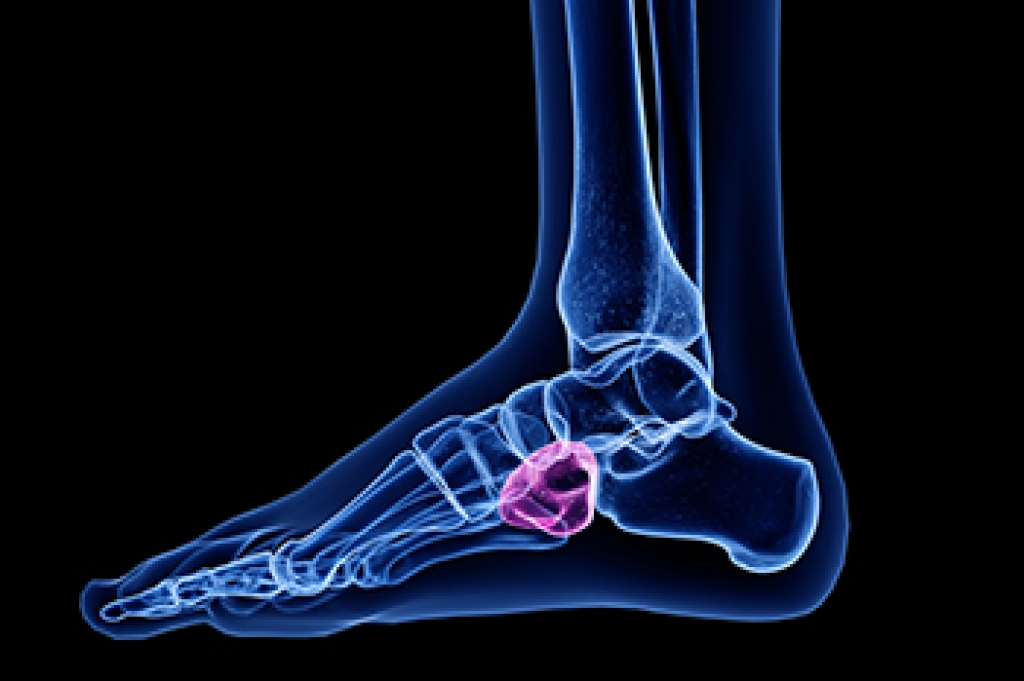
Foot Pain

Foot pain can be extremely painful and debilitating. If you have a foot pain, consult with one of our podiatrists from Foot and Ankle Clinics, PA. Our doctors will assess your condition and provide you with quality foot and ankle treatment.

Causes

Foot pain is a very broad condition that could be caused by one or more ailments. The most common include:

  • Bunions
  • Hammertoes
  • Plantar Fasciitis
  • Bone Spurs
  • Corns
  • Tarsal Tunnel Syndrome
  • Ingrown Toenails
  • Arthritis (such as Gout, Rheumatoid, and Osteoarthritis)
  • Flat Feet
  • Injury (from stress fractures, broken toe, foot, ankle, Achilles tendon ruptures, and sprains)
  • And more

Diagnosis

To figure out the cause of foot pain, podiatrists utilize several different methods. This can range from simple visual inspections and sensation tests to X-rays and MRI scans. Prior medical history, family medical history, and any recent physical traumatic events will all be taken into consideration for a proper diagnosis.

Treatment

Treatment depends upon the cause of the foot pain. Whether it is resting, staying off the foot, or having surgery; podiatrists have a number of treatment options available for foot pain.

If you have any questions, please feel free to contact our offices located in Woodbury, West St. Paul, and Edina, MN . We offer the newest diagnostic and treatment technologies for all your foot care needs.
Read more about Foot Pain

Wounds That Don't Heal Need to Be Checked

Your feet are covered most of the day. If you're diabetic, periodic screening is important for good health. Numbness is often a sign of diabetic foot and can mask a sore or wound.

Examples of Developing Cuboid Syndrome

Cuboid syndrome is a condition affecting the health of the feet that develops when the cuboid bone is moved out of alignment in the foot. As a result, the lateral part of the foot may experience some discomfort or pain. There are many different examples of ways in which cuboid syndrome can develop. For example, athletes like basketball players may unintentionally move their cuboid bone out of alignment when rushing to the end of the court and using a lateral movement to suddenly slow down their motion. This lateral movement can sometimes cause the cuboid bone to shift out of place. Additionally, students who are rushing through the halls of their school might damage the alignment of their cuboid bone while pivoting their feet to suddenly change direction or speed. These are just some of many different examples of how individuals may develop cuboid syndrome. If you think you have this condition, please contact a podiatrist today for treatment. 


Cuboid syndrome, also known as cuboid subluxation, occurs when the joints and ligaments near the cuboid bone in the foot become torn. If you have cuboid syndrome, consult with one of our podiatrists from Foot and Ankle Clinics, PA. Our doctors will assess your condition and provide you with quality foot and ankle treatment.

Cuboid syndrome is a common cause of lateral foot pain, which is pain on the outside of the foot. The condition may happen suddenly due to an ankle sprain, or it may develop slowly overtime from repetitive tension through the bone and surrounding structures.

Causes

The most common causes of cuboid syndrome include:

  • Injury – The most common cause of this ailment is an ankle sprain.
  • Repetitive Strain – Tension placed through the peroneus longus muscle from repetitive activities such as jumping and running may cause excessive traction on the bone causing it to sublux.
  • Altered Foot Biomechanics – Most people suffering from cuboid subluxation have flat feet.

Symptoms

A common symptom of cuboid syndrome is pain along the outside of the foot which can be felt in the ankle and toes. This pain may create walking difficulties and may cause those with the condition to walk with a limp.

Diagnosis

Diagnosis of cuboid syndrome is often difficult, and it is often misdiagnosed. X-rays, MRIs and CT scans often fail to properly show the cuboid subluxation. Although there isn’t a specific test used to diagnose cuboid syndrome, your podiatrist will usually check if pain is felt while pressing firmly on the cuboid bone of your foot.

Treatment

Just as the range of causes varies widely, so do treatments. Some more common treatments are ice therapy, rest, exercise, taping, and orthotics.

If you have any questions, please feel free to contact our offices located in Woodbury, West St. Paul, and Edina, MN . We offer the newest diagnostic and treatment technologies for all your foot care needs.

Read more about All About Cuboid Syndrome

Connect With Us