
You don't need an excuse to have beautiful nails. Step outside without worrying about the appearance of your feet.
You don't need an excuse to have beautiful nails. Step outside without worrying about the appearance of your feet.
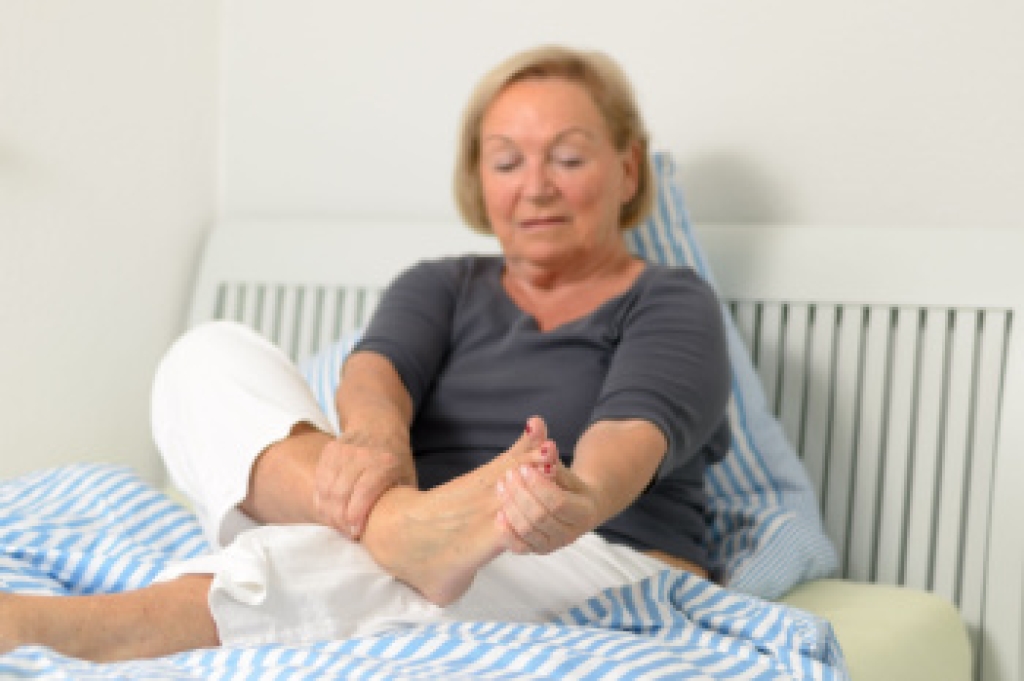
Gout, a form of arthritis, affects the feet due to high uric acid levels. It is well-studied, with genetics playing a significant role. Symptoms can range from none to acute attacks and chronic conditions. Diagnosis involves tests and imaging, such as finding monosodium urate, or MSU, crystals in fluid, and advanced scans help to monitor it. Treatment includes managing flares, chronic issues, and preventing future attacks. Medication, lifestyle changes, and education are key. If you have gout and it is affecting the joints of your feet, it is suggested that you are under the care of a podiatrist for a proper diagnosis and advice in managing this painful condition.
Gout is a foot condition that requires certain treatment and care. If you are seeking treatment, contact one of our podiatrists from Foot and Ankle Clinics, PA. Our doctors will treat your foot and ankle needs.
What Is Gout?
Gout is a type of arthritis caused by a buildup of uric acid in the bloodstream. It often develops in the foot, especially the big toe area, although it can manifest in other parts of the body as well. Gout can make walking and standing very painful and is especially common in diabetics and the obese.
People typically get gout because of a poor diet. Genetic predisposition is also a factor. The children of parents who have had gout frequently have a chance of developing it themselves.
Gout can easily be identified by redness and inflammation of the big toe and the surrounding areas of the foot. Other symptoms include extreme fatigue, joint pain, and running high fevers. Sometimes corticosteroid drugs can be prescribed to treat gout, but the best way to combat this disease is to get more exercise and eat a better diet.
If you have any questions, please feel free to contact our offices located in Woodbury, West St. Paul, and Edina, MN . We offer the newest diagnostic and treatment technologies for all your foot care needs.
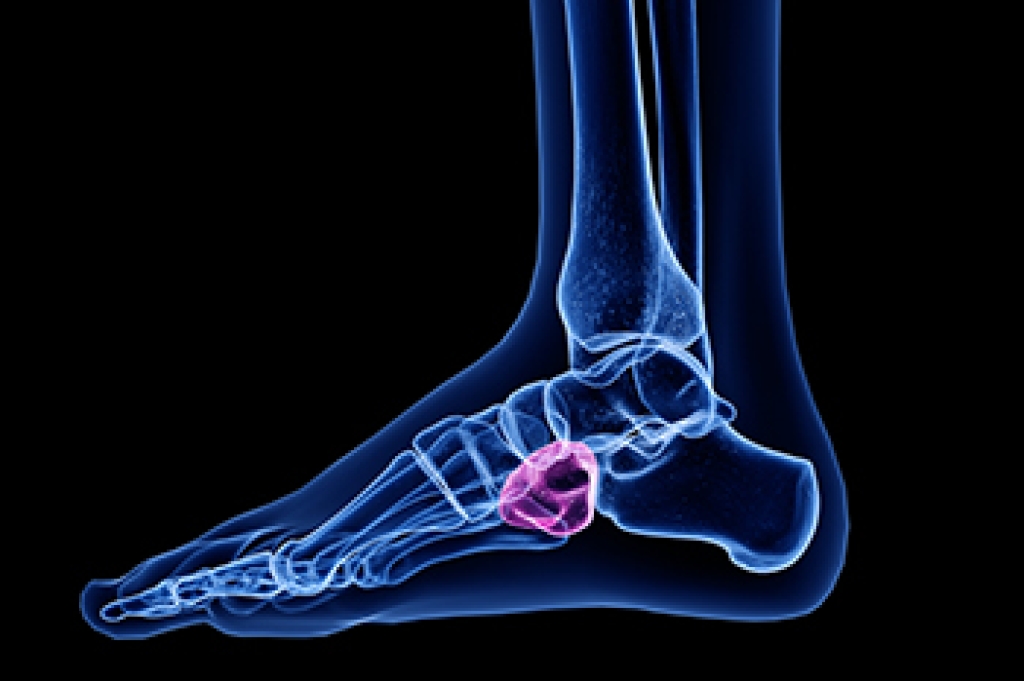 Cuboid syndrome is a foot condition in which the cuboid bone has been displaced due to stress on the foot. Someone with cuboid syndrome may experience pain on the outer side of the foot, particularly in the midfoot area, which can worsen with weight-bearing activities like walking or running. The patient’s foot may be swollen, tender to the touch, and difficult to stand on. Additionally, they might complain of discomfort or pain during sports and physical activity. Early recognition and intervention can help alleviate symptoms and prevent long-term complications, allowing patients to return to their normal activities. If you have any of these symptoms, it is suggested you seek medical attention from a podiatrist who can diagnose and treat the source of the pain.
Cuboid syndrome, also known as cuboid subluxation, occurs when the joints and ligaments near the cuboid bone in the foot become torn. If you have cuboid syndrome, consult with one of our podiatrists from Foot and Ankle Clinics, PA. Our doctors will assess your condition and provide you with quality foot and ankle treatment.
Cuboid syndrome is a common cause of lateral foot pain, which is pain on the outside of the foot. The condition may happen suddenly due to an ankle sprain, or it may develop slowly overtime from repetitive tension through the bone and surrounding structures.
Causes
The most common causes of cuboid syndrome include:
Symptoms
A common symptom of cuboid syndrome is pain along the outside of the foot which can be felt in the ankle and toes. This pain may create walking difficulties and may cause those with the condition to walk with a limp.
Diagnosis
Diagnosis of cuboid syndrome is often difficult, and it is often misdiagnosed. X-rays, MRIs and CT scans often fail to properly show the cuboid subluxation. Although there isn’t a specific test used to diagnose cuboid syndrome, your podiatrist will usually check if pain is felt while pressing firmly on the cuboid bone of your foot.
Treatment
Just as the range of causes varies widely, so do treatments. Some more common treatments are ice therapy, rest, exercise, taping, and orthotics.
If you have any questions, please feel free to contact our offices located in Woodbury, West St. Paul, and Edina, MN . We offer the newest diagnostic and treatment technologies for all your foot care needs.
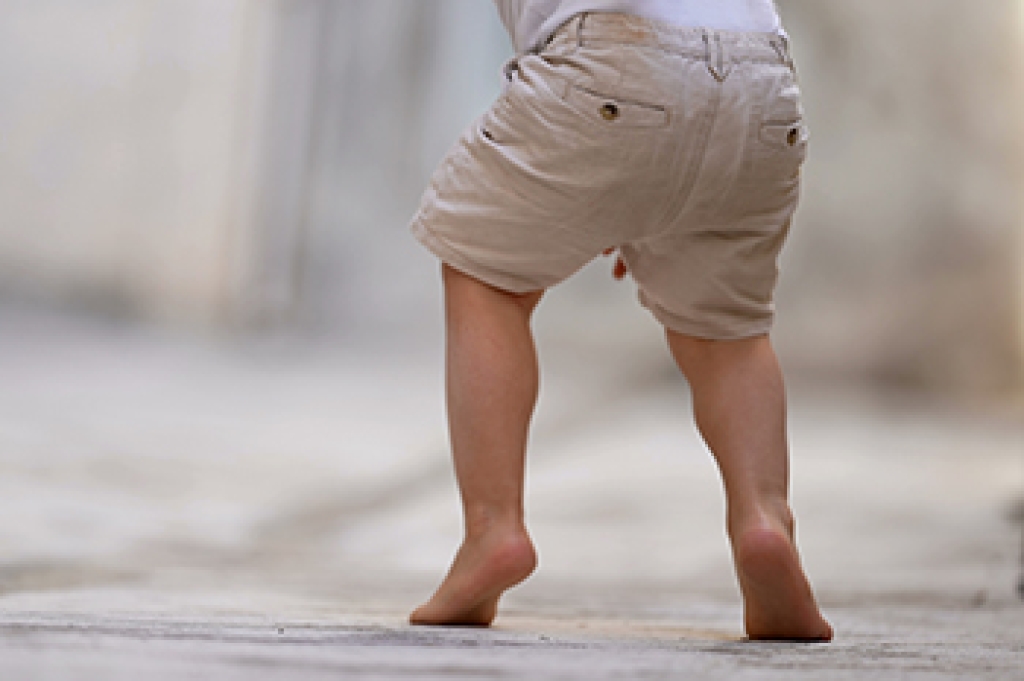
Understanding toe walking in toddlers is important for parents to discern normal development from potential issues. It's common for children under two years old to exhibit toe walking as they learn to walk. Toe walking is defined as the absence of heel strike during initial contact. It typically resolves as the child grows older, with most children demonstrating ankle dorsiflexion by age of five. However, toe walking can also be associated with specific conditions like cerebral palsy, muscular dystrophy, or autism spectrum disorders. For that reason, it's important to distinguish idiopathic toe walking, or ITW, where no pathology exists, from toe walking caused by underlying conditions. Recent studies suggest that more than half of young toe walkers will not face significant developmental or neuropsychiatric issues. While parents should monitor their child's development closely, toe walking alone isn't always indicative of a serious problem. If your child continues to toe walk past the age of five, it is suggested that you consult a podiatrist who can conduct a thorough exam and suggest the next course of action.
If you have any concerns about your feet, contact one of our podiatrists from Foot and Ankle Clinics, PA. Our doctors can provide the care you need to keep you pain-free and on your feet.
Biomechanics in Podiatry
Podiatric biomechanics is a particular sector of specialty podiatry with licensed practitioners who are trained to diagnose and treat conditions affecting the foot, ankle and lower leg. Biomechanics deals with the forces that act against the body, causing an interference with the biological structures. It focuses on the movement of the ankle, the foot and the forces that interact with them.
A History of Biomechanics
Modern technological improvements are based on past theories and therapeutic processes that provide a better understanding of podiatric concepts for biomechanics. Computers can provide accurate information about the forces and patterns of the feet and lower legs.
Understanding biomechanics of the feet can help improve and eliminate pain, stopping further stress to the foot.
If you have any questions please feel free to contact our offices located in Woodbury, West St. Paul, and Edina, MN . We offer the newest diagnostic and treatment technologies for all your foot and ankle needs.
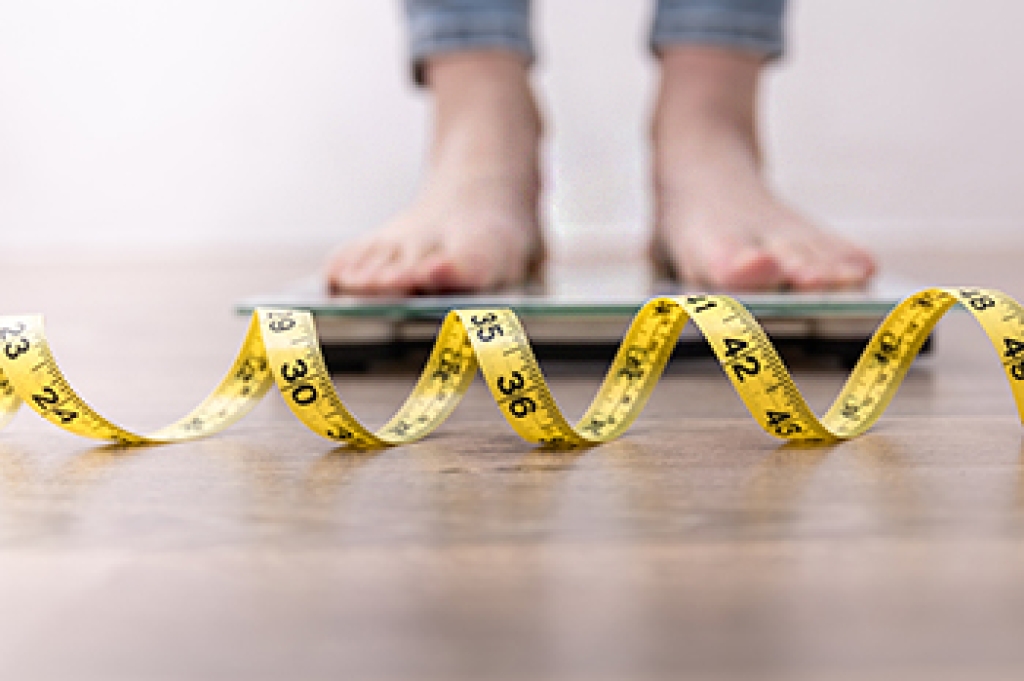
In today's fast-paced world, the rising concern of obesity has become a significant health issue, affecting various aspects of our well-being. One often overlooked consequence of obesity is its profound impact on foot health. The excess weight carried by obese individuals places an immense burden on the feet, leading to a myriad of problems. Feet, being the foundation of our body, bear the brunt of this added pressure, causing strain on joints, ligaments, bones, and tendons. Over time, this strain can result in conditions such as plantar fasciitis, flat feet, and arthritis. The increased load also hampers circulation, contributing to swelling and discomfort. Neglecting foot health in the context of obesity can exacerbate these issues, impacting overall mobility and quality of life. Recognizing the intricate connection between obesity and foot health is vital for fostering a proactive approach to address this concern. If you are overweight and have foot pain, it is suggested that you consult a podiatrist who can help you to see the connection and provide appropriate relief options.
The more you weigh, the harder your feet must work to support your body. If you’re an obese individual and are concerned about your feet, contact one of our podiatrists from Foot and Ankle Clinics, PA. Our doctors can provide the care you need to keep you pain-free and on your feet.
Obesity and Your Feet
People who are overweight are putting more pressure on their ankles, knees, and hips as well as their feet. This unfortunately can lead to variety of different issues.
Problems & Complications Stemming from Obesity
If you have any questions please contact our offices located in Woodbury, West St. Paul, and Edina, MN . We offer the newest diagnostic and treatment technologies for all your foot and ankle needs.
Connect With Us


