Blog
Heel Pain in Your Child

Heel pain in children can be concerning for parents, especially when it interrupts their child's active lifestyle. One common cause of heel pain is Sever's disease, also known as calcaneal apophysitis. Typically affecting children aged eight to 12 during periods of rapid growth, Sever's disease is characterized by pain or tenderness in one or both heels, often worsened by physical activity. Symptoms may include mild swelling surrounding the heel bone and limping, especially after exercise. The underlying cause lies in growth spurts where bones, muscles, and tendons grow and change quickly. This makes the growth plate in the heel more susceptible to injury. The Achilles tendon, in particular, can become tight as the bones in the lower leg grow, adding stress to the heel’s growth plate. Activities like running and jumping, especially when combined with wearing sports shoes with studs, can increase the risk. While Sever's disease does not typically lead to long-term problems, it is important to manage the symptoms to prevent disruption in daily activities. Encouraging rest and avoiding activities that cause pain can help alleviate symptoms. If your child exhibits or complains of heel pain, it is suggested that you schedule an appointment with a podiatrist for an exam and treatment.
Sever's disease often occurs in children and teens. If your child is experiencing foot or ankle pain, see one of our podiatrists from Foot and Ankle Clinics, PA. Our doctors can treat your child’s foot and ankle needs.
Sever’s Disease
Sever’s disease is also known as calcaneal apophysitis, which is a medical condition that causes heel pain I none or both feet. The disease is known to affect children between the ages of 8 and 14.
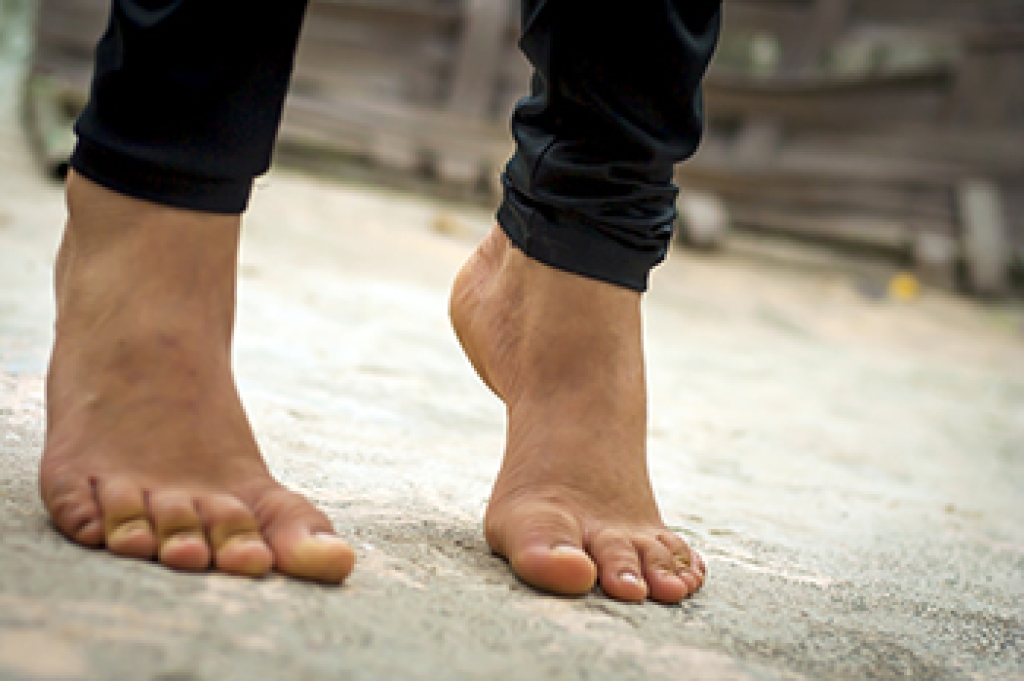
Sever’s disease occurs when part of the child’s heel known as the growth plate (calcaneal epiphysis) is attached to the Achilles tendon. This area can suffer injury when the muscles and tendons of the growing foot do not keep pace with bone growth. Therefore, the constant pain which one experiences at the back of the heel will make the child unable to put any weight on the heel. The child is then forced to walk on their toes.
Symptoms
Acute pain – Pain associated with Sever’s disease is usually felt in the heel when the child engages in physical activity such as walking, jumping and or running.
Highly active – Children who are very active are among the most susceptible in experiencing Sever’s disease, because of the stress and tension placed on their feet.
If you have any questions, please feel free to contact our offices located in Woodbury, West St. Paul, and Edina, MN . We offer the newest diagnostic and treatment technologies for all your foot care needs.
Risk Factors and Symptoms of Gout

Gout is a form of arthritis caused by the buildup of uric acid crystals in the joints. This buildup occurs when the body produces too much uric acid or cannot effectively eliminate it. Risk factors for developing gout include a diet high in red meat and seafood, excessive alcohol consumption, and obesity. Certain medical conditions such as hypertension and diabetes also increase the likelihood of developing gout. Symptoms of gout often appear suddenly and include intense joint pain, redness, and swelling, typically in the big toe. The affected joint may feel warm and extremely tender to the touch. Gout attacks can be recurrent, leading to chronic pain and joint damage if left untreated. The pain from gout can be debilitating. If you have developed this condition, it is suggested that you consult a podiatrist who can offer you relief and prevention methods.
Gout is a painful condition that can be treated. If you are seeking treatment, contact one of our podiatrists from Foot and Ankle Clinics, PA. Our doctors will treat your foot and ankle needs.
What Is Gout?
Gout is a form of arthritis that is characterized by sudden, severe attacks of pain, redness, and tenderness in the joints. The condition usually affects the joint at the base of the big toe. A gout attack can occur at any random time, such as the middle of the night while you are asleep.
Symptoms
- Intense Joint Pain - Usually around the large joint of your big toe, and it most severe within the first four to twelve hours
- Lingering Discomfort - Joint discomfort may last from a few days to a few weeks
- Inflammation and Redness -Affected joints may become swollen, tender, warm and red
- Limited Range of Motion - May experience a decrease in joint mobility
Risk Factors
- Genetics - If family members have gout, you’re more likely to have it
- Medications - Diuretic medications can raise uric acid levels
- Gender/Age - Gout is more common in men until the age of 60. It is believed that estrogen protects women until that point
- Diet - Eating red meat and shellfish increases your risk
- Alcohol - Having more than two alcoholic drinks per day increases your risk
- Obesity - Obese people are at a higher risk for gout
Prior to visiting your podiatrist to receive treatment for gout, there are a few things you should do beforehand. If you have gout you should write down your symptoms--including when they started and how often you experience them, important medical information you may have, and any questions you may have. Writing down these three things will help your podiatrist in assessing your specific situation so that he or she may provide the best route of treatment for you.
If you have any questions, please feel free to contact our offices located in Woodbury, West St. Paul, and Edina, MN . We offer the newest diagnostic and treatment technologies for all your foot care needs.
Symptoms and Affected Joints of RA in the Feet

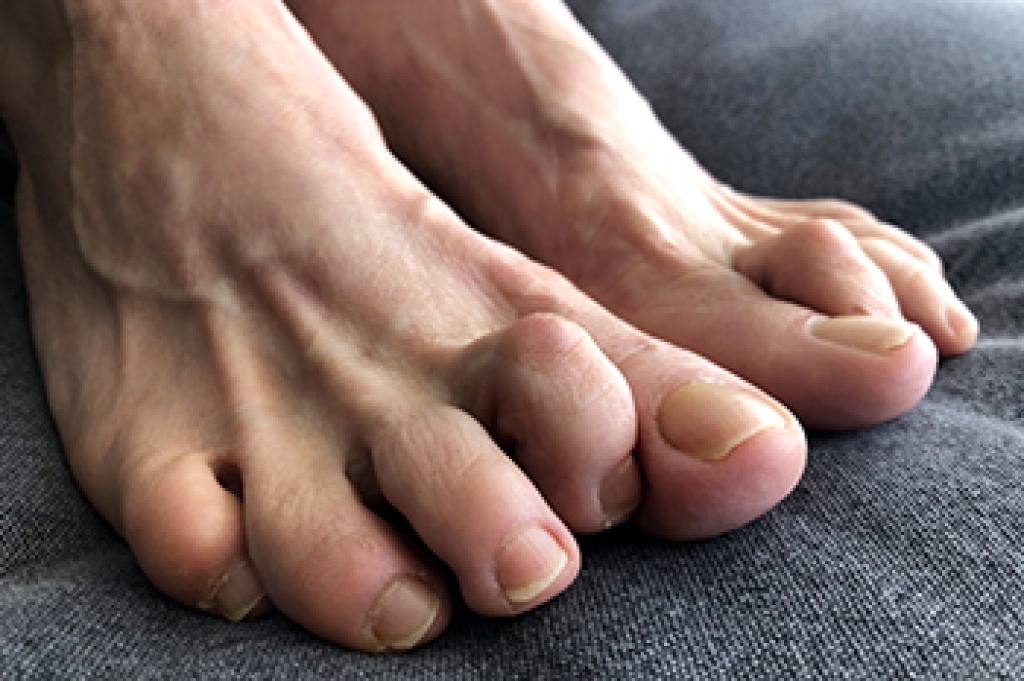
Rheumatoid arthritis, or RA, can wreak havoc on the feet, causing a myriad of symptoms and affecting various joints. One of the most telling signs of RA in the feet is the presence of pain, swelling, and stiffness, particularly in the morning or after periods of rest. RA commonly targets the joints in the feet, including the metatarsophalangeal, or MTP joints, the interphalangeal, or IP joints, the subtalar joint, and the ankle joint. Inflammation in these joints can lead to deformities like bunions, hammertoes, and ankle instability. Additionally, RA can cause joint erosion and destruction over time, resulting in significant disability and loss of function. Early diagnosis and intervention is essential in managing RA in the feet, as prompt treatment can help alleviate symptoms and preserve joint function. If you have foot pain, it is suggested that you consult a podiatrist who can diagnose RA and help you to manage this condition.
Because RA affects more than just your joints, including the joints in your feet and ankles, it is important to seek early diagnosis from your podiatrist if you feel like the pain in your feet might be caused by RA. For more information, contact one of our podiatrists of Foot and Ankle Clinics, PA. Our doctors will assist you with all of your podiatric concerns.
What Is Rheumatoid Arthritis?
Rheumatoid Arthritis (RA) is an autoimmune disorder in which the body’s own immune system attacks the membranes surrounding the joints. Inflammation of the lining and eventually the destruction of the joint’s cartilage and bone occur, causing severe pain and immobility.
Rheumatoid Arthritis of the Feet
Although RA usually attacks multiple bones and joints throughout the entire body, almost 90 percent of cases result in pain in the foot or ankle area.
Symptoms
- Swelling and pain in the feet
- Stiffness in the feet
- Pain on the ball or sole of feet
- Joint shift and deformation
Diagnosis
Quick diagnosis of RA in the feet is important so that the podiatrist can treat the area effectively. Your doctor will ask you about your medical history, occupation, and lifestyle to determine the origin of the condition. Rheumatoid Factor tests help to determine if someone is affected by the disease.
If you have any questions, please feel free to contact our offices located in Woodbury, West St. Paul, and Edina, MN . We offer the newest diagnostic and treatment technologies for all your foot care needs.
Human Papillomavirus and Plantar Warts
Plantar warts are small growths that appear on the soles of the feet, caused by the human papillomavirus, or HPV. They often develop in weight-bearing areas, such as the heels or balls of the feet, leading to discomfort or pain while walking. Plantar warts typically show up as rough, grainy bumps with black pinpoints, which are clotted blood vessels and may be surrounded by hardened skin. Treatment options include salicylic acid treatments, cryotherapy, or freezing, and prescription medications. In persistent cases, a podiatrist may perform minor surgical procedures to remove the wart. Diagnosis involves a visual examination and, occasionally, a biopsy to rule out other skin conditions. Recovery time varies depending on the treatment method, but keeping the area clean and avoiding pressure on the wart can aid healing. Do not attempt to cut or pick at the wart, as this can spread the virus or cause infection. If you believe you have a plantar wart, it is suggested that you schedule an appointment with a podiatrist for an accurate diagnosis and effective treatment.
Plantar warts can be very uncomfortable. If you need your feet checked, contact one of our podiatrists from Foot and Ankle Clinics, PA. Our doctors will assist you with all of your foot and ankle needs.
About Plantar Warts
Plantar warts are the result of HPV, or human papillomavirus, getting into open wounds on the feet. They are mostly found on the heels or balls of the feet.
While plantar warts are generally harmless, those experiencing excessive pain or those suffering from diabetes or a compromised immune system require immediate medical care. Plantar warts are easily diagnosed, usually through scraping off a bit of rough skin or by getting a biopsy.
Symptoms
- Lesions on the bottom of your feet, usually rough and grainy
- Hard or thick callused spots
- Wart seeds, which are small clotted blood vessels that look like little black spots
- Pain, discomfort, or tenderness of your feet when walking or standing
Treatment
- Freezing
- Electric tool removal
- Laser Treatment
- Topical Creams (prescription only)
- Over-the-counter medications
To help prevent developing plantar warts, avoid walking barefoot over abrasive surfaces that can cause cuts or wounds for HPV to get into. Avoiding direct contact with other warts, as well as not picking or rubbing existing warts, can help prevent the further spread of plantar warts. However, if you think you have developed plantar warts, speak to your podiatrist. He or she can diagnose the warts on your feet and recommend the appropriate treatment options.
If you have any questions, please feel free to contact our offices located in Woodbury, West St. Paul, and Edina, MN . We offer the newest diagnostic and treatment technologies for all your foot care needs.